
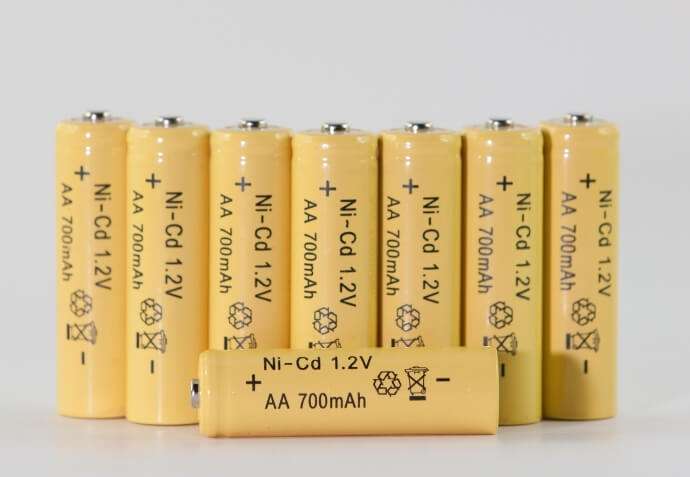
Nickel Cadmium (Ni-Cd) batteries are widely used in exit lights due to their durability and reliability. This comprehensive guide will cover everything you need to know about nickel cadmium exit light batteries, including their benefits, maintenance tips, and safety considerations.
All You Need to Know About Nickel Cadmium Exit Light Batteries
Ni-Cd exit light batteries are popular for their long lifespan and ability to handle multiple charge-discharge cycles. However, they require proper maintenance to avoid issues like the memory effect.
Here’s a quick overview to help you manage your Ni-Cd exit light batteries effectively:
- Understand the Benefits of Ni-Cd Batteries: Ni-Cd batteries are known for their durability and ability to function well under stress, making them ideal for emergency lighting systems.
- Learn How to Properly Maintain and Charge Them: Proper charging practices and regular maintenance are essential to prevent issues such as the memory effect and to ensure optimal performance.
- Recognize Signs of Battery Failure: Identifying symptoms like dimming lights, shorter illumination duration, and failure to light up during tests can help you address battery issues promptly.
- Follow Safety and Disposal Guidelines: Handling Ni-Cd batteries safely and disposing of them correctly can prevent environmental harm and ensure compliance with safety regulations.

Continue reading for a detailed guide on Nickel Cadmium exit light batteries, including their advantages, how to maintain them, and best practices for safety and disposal. This comprehensive guide will equip you with the knowledge and skills needed to keep your Ni-Cd exit light batteries in top condition, ensuring reliable performance during emergencies.
Benefits of Nickel Cadmium Exit Light Batteries
Nickel Cadmium (Ni-Cd) batteries offer several advantages that make them a popular choice for emergency exit lights. Their durability, longevity, and performance under stressful conditions ensure that your exit lights remain reliable when you need them the most.
Durability and Longevity
Ni-Cd batteries are known for their exceptional durability and long lifespan, making them ideal for emergency lighting systems:
- High Resistance to Wear and Tear:
- Ni-Cd batteries are designed to withstand numerous charge and discharge cycles without significant degradation. This makes them highly durable and reliable for continuous use in emergency lighting.
- Their robust construction ensures that they can handle the physical demands of regular testing and maintenance.
- Long Lifespan Compared to Other Battery Types:
- On average, Ni-Cd batteries have a lifespan of 3-5 years, which is longer than many other types of rechargeable batteries. This extended lifespan means fewer replacements and lower maintenance costs over time.
Performance Under Stress
Ni-Cd batteries excel in demanding environments, maintaining their performance even under challenging conditions:
- Effective in Extreme Temperatures:
- Ni-Cd batteries perform well in a wide range of temperatures, from freezing cold to extreme heat. This makes them suitable for use in various settings, including outdoor installations and unheated buildings.
- Their ability to function effectively in extreme temperatures ensures that your emergency exit lights remain operational, regardless of the weather conditions.
- Reliable in High-Drain Applications:
- Emergency exit lights require a reliable power source that can deliver consistent performance during prolonged power outages. Ni-Cd batteries are capable of providing steady power in high-drain applications, ensuring that your lights stay illuminated for the required duration.
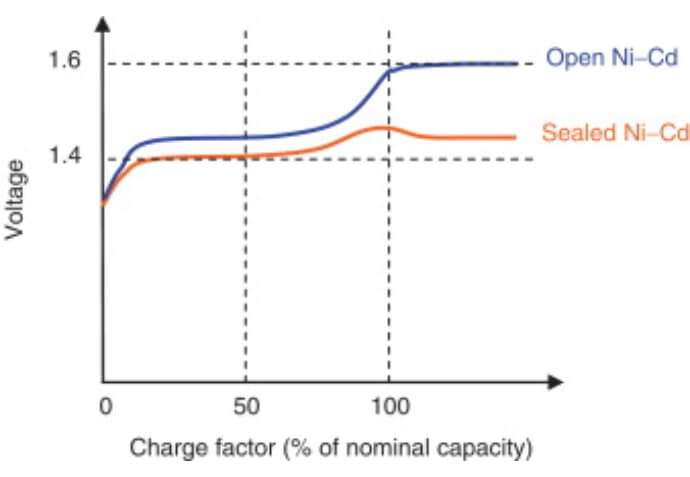
- Their high energy density and stable voltage output make them a dependable choice for emergency lighting systems.
By understanding the benefits of Nickel Cadmium exit light batteries, you can appreciate why they are a preferred choice for emergency lighting. Their durability, longevity, and reliable performance under stress make them an excellent option for ensuring that your exit lights are always ready to guide people to safety during an emergency.
Maintenance and Charging
Proper maintenance and charging practices are essential to maximize the performance and lifespan of Nickel Cadmium (Ni-Cd) exit light batteries. These practices help prevent common issues like the memory effect and ensure your batteries remain reliable.
Preventing the Memory Effect
The memory effect is a frequent problem in Ni-Cd batteries, causing them to lose maximum energy capacity when repeatedly recharged without being fully discharged.
Here’s how to prevent it:
- Importance of Full Discharge Cycles:
- To avoid the memory effect, it’s important to fully discharge Ni-Cd batteries before recharging them. This helps the battery maintain its full capacity and prevents the gradual loss of usable energy.
- Regularly allowing the batteries to discharge completely before recharging ensures they retain their maximum storage capacity over time.
- Tips for Proper Charging Practices:
- Use a Charger Designed for Ni-Cd Batteries: Ensure you are using a charger specifically designed for Ni-Cd batteries. These chargers are optimized to charge the batteries safely and efficiently.
- Avoid Overcharging: Overcharging can damage Ni-Cd batteries and reduce their lifespan. Use automatic chargers that stop charging once the battery is fully charged, or monitor the charging process closely.
- Charge at the Right Temperature: Charge Ni-Cd batteries at room temperature to prevent overheating. Charging in extreme temperatures can negatively impact battery performance and longevity.
Regular Maintenance Routines
Consistent maintenance routines are crucial for ensuring the reliability and effectiveness of your emergency exit lights.
Here are some key practices:
- Monthly Testing Procedures:
- Use the Test Button: Most emergency exit lights come with a test button that simulates a power outage. Use this button monthly to check if the lights illuminate properly and the batteries are functioning correctly.
- Check for Consistent Illumination: During the test, observe the lights for any signs of dimming, flickering, or reduced brightness. Consistent illumination indicates that the batteries are in good condition.
- Annual Comprehensive Inspections:
- Inspect Wiring and Connections: Check all wiring and connections for signs of wear, damage, or corrosion. Ensure that all connections are secure and in good condition to prevent power issues.
- Evaluate Overall System Health: Conduct a thorough assessment of the entire emergency lighting system, including the batteries, light fixtures, and control units. Look for any signs of physical damage, wear and tear, or aging components that might affect performance.

By following these maintenance and charging practices, you can prevent common issues like the memory effect and ensure your Ni-Cd exit light batteries remain reliable. Regular testing and comprehensive inspections help identify and address potential problems early, maintaining the effectiveness of your emergency lighting system.
Identifying and Addressing Battery Issues
Identifying early signs of battery failure and addressing them promptly is crucial for maintaining the reliability of your Nickel Cadmium (Ni-Cd) exit light batteries. Here’s how to spot and troubleshoot common battery issues.
Signs of Battery Failure
Recognizing the symptoms of failing batteries can help you take timely action to replace or repair them, ensuring your emergency exit lights remain operational:
- Dimming or Flickering Lights:
- If the exit lights appear dimmer than usual or flicker intermittently, it’s a clear sign that the batteries are losing their charge capacity. This can compromise visibility during emergencies, making it essential to address the issue promptly.
- Shorter Illumination Duration:
- Emergency exit lights are designed to stay illuminated for a specific duration during power outages, typically at least 90 minutes. If the lights fail to stay lit for the expected duration during tests, it indicates that the batteries are no longer holding a full charge and need replacement.
- Failure to Light Up During Tests:
- Regular testing is crucial for ensuring the functionality of your exit lights. If pressing the test button does not activate the light, it suggests that the batteries may be dead or too weak to function properly. Regular testing can help catch this issue early, ensuring your lights are ready for an actual emergency.

Troubleshooting Tips
If you notice any signs of battery failure, follow these troubleshooting tips to diagnose and address the problem:
- Checking for Secure Connections:
- Loose or corroded connections can cause intermittent power supply and lead to battery performance issues. Inspect all connections between the batteries and the light fixture to ensure they are secure and free of corrosion.
- Tighten any loose connections and clean any corrosion with a suitable contact cleaner to ensure a stable power supply.
- Using a Voltage Tester to Assess Battery Health:
- A voltage tester can help you determine if the batteries are holding a proper charge. Disconnect the batteries from the light fixture and use the voltage tester to measure their output.
- Compare the measured voltage with the battery’s rated voltage to assess its health. If the voltage is significantly lower than the rated value, it indicates that the battery is weak and may need replacement.
By regularly monitoring the signs of battery failure and following these troubleshooting tips, you can maintain the reliability and effectiveness of your Ni-Cd exit light batteries. Early detection and timely action ensure that your emergency exit lights are always ready to provide safe and reliable illumination during power outages.
Safety Considerations
Proper handling and disposal of Nickel Cadmium (Ni-Cd) batteries are crucial to ensure safety and minimize environmental impact. Here’s how to manage Ni-Cd batteries safely.
Handling Ni-Cd Batteries Safely
Taking the right precautions when handling Ni-Cd batteries can prevent accidents and health hazards:
- Wearing Gloves and Safety Glasses:
- Always wear gloves and safety glasses when handling Ni-Cd batteries. This protective gear helps prevent skin contact with battery chemicals and protects your eyes from accidental splashes.
- Avoiding Direct Contact with Battery Terminals:
- Avoid touching the battery terminals directly with your hands or any conductive materials. Direct contact can cause short circuits, leading to sparks or even explosions. Use insulated tools to connect or disconnect the batteries.

Proper Disposal and Recycling
Disposing of Ni-Cd batteries correctly is vital to avoid environmental contamination and comply with regulations:
- Environmental Impact of Cadmium:
- Cadmium is a toxic heavy metal that can cause significant environmental harm if not disposed of properly. It can contaminate soil and water, posing health risks to humans and wildlife.
- Finding Local Recycling Programs and Facilities:
- Many local recycling centers and hazardous waste facilities accept Ni-Cd batteries for proper disposal. Check with your local waste management authority or recycling programs to find the nearest facility that handles Ni-Cd batteries.
- Some retailers and manufacturers also offer battery recycling programs. Participating in these programs ensures that the batteries are recycled safely and responsibly.
Comparing Ni-Cd to Other Battery Types
Understanding how Ni-Cd batteries compare to other types can help you make informed decisions about the best battery for your emergency exit lights.
Ni-Cd vs Ni-MH
- Differences in Lifespan and Capacity:
- Ni-Cd Batteries:
- Lifespan: Typically 3-5 years, depending on usage and maintenance.
- Capacity: Lower energy density compared to Ni-MH, but durable and reliable.
- Ni-MH (Nickel-Metal Hydride) Batteries:
- Lifespan: Similar to Ni-Cd but can have a slightly longer lifespan with proper maintenance.
- Capacity: Higher energy density than Ni-Cd, providing longer runtime between charges.
- Ni-Cd Batteries:
- Impact of Memory Effect:
- Ni-Cd batteries are more prone to the memory effect, which can reduce their capacity over time if not fully discharged before recharging.
- Ni-MH batteries are less affected by the memory effect, making them easier to maintain with regular charging routines.
Ni-Cd vs Li-ion
- Performance in Extreme Conditions:
- Ni-Cd Batteries:
- Performance: Reliable performance in a wide range of temperatures, making them suitable for extreme conditions.
- Li-ion (Lithium-Ion) Batteries:
- Performance: Excellent performance in moderate temperatures but can be sensitive to extreme heat and cold.
- Ni-Cd Batteries:
- Cost and Safety Considerations:
- Ni-Cd Batteries:
- Cost: Generally less expensive than Li-ion batteries.
- Safety: Requires careful handling and disposal due to toxic Cadmium content.
- Li-ion Batteries:
- Cost: Higher initial cost but longer lifespan and better performance can offset the expense.
- Safety: Li-ion batteries are safer for the environment but require protection circuitry to prevent overheating and overcharging.
- Ni-Cd Batteries:
By understanding the safety considerations and comparing Ni-Cd batteries to other types, you can make informed decisions about maintaining and using your emergency exit light batteries. This knowledge helps ensure that your emergency lighting system remains safe, reliable, and environmentally responsible.
Step-by-Step Guide to Maintaining Ni-Cd Exit Light Batteries
Maintaining your Nickel Cadmium (Ni-Cd) exit light batteries properly ensures their reliability and extends their lifespan.
Follow these steps for regular testing, proper charging, and safe handling.
Step 1: Regular Testing and Inspections
Consistent testing and thorough inspections are crucial for identifying issues early and ensuring your batteries remain functional.
- Monthly Test Routines:
- Use the test button on your exit lights to simulate a power outage and ensure the lights illuminate properly. Observe the lights for any signs of dimming, flickering, or reduced brightness.
- Check that the lights stay illuminated for the required duration (typically at least 90 minutes). Document the test results in a maintenance log.
- Annual Comprehensive Check-Ups:
- Conduct a detailed inspection of the entire emergency lighting system, including the batteries, light fixtures, and control units. Look for signs of physical damage, wear and tear, or aging components.
- Inspect all wiring and connections for corrosion or looseness. Tighten any loose connections and clean any corrosion with a suitable contact cleaner.
Step 2: Proper Charging Practices
Proper charging practices are essential to prevent the memory effect and ensure the batteries retain their maximum capacity.
- Ensuring Full Discharge Before Recharge:
- To prevent the memory effect, fully discharge Ni-Cd batteries before recharging them. This practice helps maintain their full capacity and prolongs their lifespan.
- Implement a routine where the batteries are fully discharged at least once a month before being recharged.
- Avoiding Overcharging with Automatic Chargers:
- Use chargers designed specifically for Ni-Cd batteries, ideally with automatic shut-off features that prevent overcharging. Overcharging can damage the batteries and reduce their lifespan.
- If using a manual charger, closely monitor the charging process and disconnect the charger once the batteries are fully charged.
Step 3: Handling and Safety Measures
Safe handling and proper disposal are crucial to prevent accidents and environmental harm.
- Using Protective Gear:
- Always wear gloves and safety glasses when handling Ni-Cd batteries. This protective gear prevents skin contact with battery chemicals and protects your eyes from accidental splashes.
- Avoid touching the battery terminals directly with your hands or any conductive materials. Use insulated tools to connect or disconnect the batteries.
- Proper Disposal of Old Batteries:
- Ni-Cd batteries contain Cadmium, a toxic heavy metal that can harm the environment. Dispose of old batteries according to local regulations, usually by taking them to a recycling center or hazardous waste facility.
- Many local recycling programs and retailers offer battery recycling services. Participating in these programs ensures that the batteries are recycled safely and responsibly.
By following these steps for regular testing, proper charging, and safe handling, you can ensure that your Ni-Cd exit light batteries remain reliable and effective. Proper maintenance extends the lifespan of the batteries, providing consistent and reliable performance for your emergency lighting system.
Maximizing Battery Performance
To ensure your Nickel Cadmium (Ni-Cd) exit light batteries perform at their best, follow these tips and best practices for extending battery life and maintaining your emergency lighting systems.
Tips for Extending Battery Life
Proper storage and regular usage are key to maximizing the lifespan of your Ni-Cd batteries:
- Storing Batteries Correctly:
- Store batteries in a cool, dry place to prevent moisture damage and overheating. Excessive heat can accelerate the chemical reactions inside batteries, reducing their capacity and lifespan.
- Keep batteries away from direct sunlight, heaters, or uninsulated exterior walls to avoid temperature extremes.
- Regular Use and Discharge Cycles:
- Regularly use and test your exit lights to keep the batteries active. Periodic discharge and recharge cycles help maintain battery health.
- Implement a routine where the batteries are fully discharged at least once a month before being recharged to prevent the memory effect.
Best Practices for Emergency Lighting Systems
Following best practices ensures your emergency lighting systems are reliable and compliant with safety regulations:
- Ensuring Compliance with Safety Regulations:
- Adhere to guidelines set by organizations like OSHA and NFPA to ensure your emergency lighting system meets all safety standards. Regular inspections and maintenance are crucial for compliance.
- Regularly review and update your maintenance practices to align with the latest safety standards and regulations.
- Keeping a Maintenance Log:
- Maintain a detailed log of all maintenance activities, including test dates, results, and battery replacements. This documentation helps track performance and identify recurring issues.
- A maintenance log also serves as proof of compliance with safety regulations and can be useful during inspections or audits.

Professional Help and Additional Resources
Knowing when to seek professional help and where to find additional resources can be crucial for maintaining your emergency lighting system effectively.
When to Call a Professional
Certain situations may require the expertise of a professional:
- Persistent Issues or Complex Problems:
- If your exit lights continue to have issues despite troubleshooting, it may be time to consult a professional. Complex electrical problems or persistent battery failures should be addressed by an expert to ensure safety and reliability.
- Professional Maintenance Services:
- For comprehensive maintenance and inspections, consider hiring professional maintenance services. Professionals have the expertise to perform thorough checks and repairs, ensuring your system operates optimally.
Resources
Utilize available resources to enhance your understanding and maintenance of emergency lighting systems:
- Manufacturer Manuals and Support:
- Refer to the manufacturer’s manuals for detailed instructions and support regarding your specific exit light model. These manuals provide essential information on installation, maintenance, and troubleshooting.
- Safety Compliance Organizations:
- Organizations like OSHA and NFPA offer guidelines and resources to help you maintain compliance with safety standards. Their websites provide valuable information on best practices and regulatory updates.
Additional Reading
Expand your knowledge with these informative resources:
- In-Depth Guides on Battery Maintenance:
- Read comprehensive guides to better understand the components and maintenance of emergency lighting systems, ensuring you follow best practices.
- Articles on Emergency Lighting Systems:
- Explore articles that offer practical tips and troubleshooting advice for maintaining and extending the life of your batteries and lighting systems.
Conclusion
In conclusion, Nickel Cadmium exit light batteries offer durability and reliable performance for emergency lighting systems. By understanding their benefits, maintaining them properly, and following safety guidelines, you can ensure that your exit lights function effectively during emergencies.
Regular maintenance and adherence to best practices will maximize the lifespan and performance of your Ni-Cd batteries, providing peace of mind and ensuring compliance with safety regulations.
This guide has provided all the essential information needed to manage Ni-Cd exit light batteries effectively, ensuring your emergency lighting system remains reliable and ready for use.
