
As a Tesla Model 3 owner, you know its advanced features are designed to make driving smooth and safe. However, even the most sophisticated vehicles can sometimes present small but frustrating issues—like hazard lights that won’t turn off. Whether you’ve accidentally triggered them or they’re stuck due to a glitch, knowing how to disable these lights quickly is crucial. In this guide, I’ll show you exactly how to turn off the hazard lights in your Tesla Model 3 in just a few seconds, so you can get back on the road with peace of mind.

To turn off the hazard lights in your Tesla Model 3, the first and most straightforward step is to locate the hazard light button on your vehicle’s touchscreen or physical control panel, depending on your model version.
This button is typically marked with a red triangle symbol. Simply press the button once, and the lights should turn off immediately. If the lights remain on, the issue could be due to a temporary software glitch, which is common in high-tech vehicles like Tesla.
In such cases, a quick fix is to perform a soft reset of the car’s electrical system by pressing and holding both scroll wheels on the steering wheel until the screen goes black and the Tesla logo appears. This action resets the system and can often resolve minor glitches, including unresponsive hazard lights.
If the issue continues after these steps, you may need to check for software updates or contact Tesla support for further assistance.
Understanding the Hazard Light System in Your Tesla Model 3
The hazard lights in your Tesla Model 3 serve a critical function, allowing you to signal to other drivers that your vehicle is experiencing an issue or that there’s a potential hazard on the road. When activated, the hazard lights cause all four turn signals—both front and rear—to flash simultaneously, creating a highly visible warning.
This feature is essential in various situations, such as when your vehicle is stationary on the side of the road, in poor visibility conditions, or when there’s an emergency. The system is designed to be intuitive, yet it integrates with the Tesla’s advanced electronics, meaning it’s closely tied to the vehicle’s overall electrical and software systems.
Location and Operation of the Hazard Light Switch
In the Tesla Model 3, the hazard light switch is easily accessible, but its location can vary slightly depending on the model year. Typically, you can find the hazard light button on the ceiling console between the driver and passenger seats, or integrated into the central touchscreen’s interface, marked by a red triangle symbol. To activate or deactivate the hazard lights, simply press this button.
If you press the button and nothing happens—no lights, no indicator sound—it might be a sign that the button is stuck or there’s an issue with the vehicle’s software. In such cases, you can try pressing the button several times to see if it responds or attempt a soft reset of the vehicle to clear any temporary glitches. If the button remains unresponsive, further troubleshooting may be necessary to ensure the safety feature is functioning correctly.
Step-by-Step Guide to Turning Off Hazard Lights in a Tesla Model 3
If you find yourself struggling to turn off the hazard lights in your Tesla Model 3, don’t worry—this step-by-step guide will help you resolve the issue quickly and efficiently.
Step 1: Identify the Hazard Light Button
The first step in turning off your Tesla’s hazard lights is to locate the hazard light button. In the Tesla Model 3, this button is typically located on the overhead console, near the rearview mirror. It’s easily recognizable by its red triangle symbol. In some models, the button may be integrated into the vehicle’s touchscreen interface, usually within the control settings.
Ensure the button is not obstructed by any objects or debris. If the button appears stuck, gently press around the edges to see if you can free it. Sometimes, a quick press in the center of the button can resolve any minor sticking issues.

Step 2: Press the Button to Deactivate the Hazard Lights
Once you’ve located the hazard light button, press it firmly to deactivate the lights. You should hear a click, and the hazard lights should immediately stop flashing. If the lights don’t turn off right away, try pressing the button again, holding it for a few seconds before releasing. This can sometimes help reset the switch if it’s not responding as expected.
If the lights still remain on, it could indicate a deeper issue with the vehicle’s electrical system, and you’ll need to proceed to the next steps to troubleshoot further.
Step 3: Check for Software Glitches
Software glitches are not uncommon in modern vehicles like the Tesla Model 3, where many functions are controlled electronically. If your hazard lights won’t turn off after pressing the button, a software glitch might be the cause. To check for this, try performing a soft reset of the vehicle’s system.
To do this, press and hold both scroll wheels on the steering wheel simultaneously until the touchscreen goes black and the Tesla logo appears. This will reset the vehicle’s software without affecting your personal settings or data. After the reset, check if the hazard lights have turned off. If the issue persists, you may need to explore other potential causes.

Step 4: Inspect the Flasher Relay
The flasher relay is a critical component of the hazard light system, responsible for controlling the flashing pattern of the lights. If the relay is faulty, it can cause the hazard lights to stay on continuously. To inspect the flasher relay, you’ll need to locate the fuse box in your Tesla Model 3. You can usually find this under the dashboard or in the front trunk area.
Once you’ve located the fuse box, find the relay that controls the hazard lights (consult your vehicle’s manual if needed).
If the relay is not clicking when the hazard lights are on or if it feels warm to the touch, it may need to be replaced. Replacing the relay is a straightforward process—simply pull out the old relay and insert a new one. After replacing the relay, check if the hazard lights turn off.
Step 5: Power Cycle the Tesla
If all else fails, performing a power cycle on your Tesla Model 3 can help reset the entire electrical system, potentially resolving the issue with the hazard lights. To do this, you’ll need to power off the vehicle completely.
Start by entering the “Service” menu on your touchscreen, then select “Power Off.” The vehicle will shut down all systems. Wait for about two minutes before pressing the brake pedal to power the vehicle back on. This process effectively resets the car’s systems and can clear any persistent glitches.
After the power cycle, check to see if the hazard lights have turned off. If the problem continues, it’s time to seek professional assistance from a Tesla service center to diagnose and resolve the underlying issue.
Step 6: Check for Software Updates
Keeping your Tesla Model 3’s software up to date is crucial for ensuring all systems, including the hazard lights, function correctly. Tesla frequently releases software updates that address known issues and enhance the vehicle’s performance. If you’re experiencing trouble with your hazard lights, it’s possible that an update could fix the problem.
To check for software updates, navigate to the “Software” tab on your Tesla’s touchscreen. If an update is available, the system will indicate it, and you can follow the on-screen instructions to download and install. Connect your vehicle to a strong Wi-Fi signal during the update to avoid interruptions. Once the update is installed, test the hazard lights again to check if the issue is resolved.
Step 7: Use the Tesla Mobile App for Remote Control
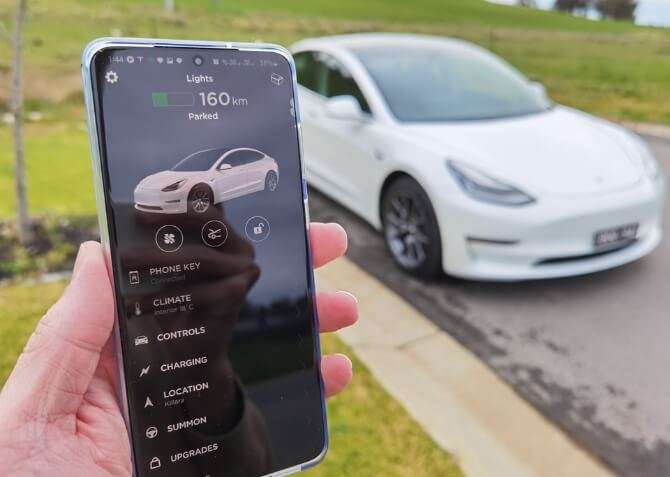
The Tesla mobile app provides a convenient way to control various functions of your Model 3 remotely, including the hazard lights. If you’re unable to turn off the hazard lights from inside the car, you can try using the app. Open the app, go to the “Controls” section, and find the option to activate or deactivate the hazard lights.
If the app isn’t responding correctly or you’re unable to control the hazard lights, try closing and reopening the app or checking your phone’s connection to the car. Ensure that your Tesla is within range for remote commands to work effectively. This feature is especially useful if you’re troubleshooting the issue from outside the vehicle.
Step 8: Inspect and Adjust Vehicle Settings
Your Tesla Model 3 comes with a range of customizable settings that could impact the operation of the hazard lights. It’s worth reviewing these settings to ensure nothing is interfering with the normal function of the lights. Start by accessing the “Controls” menu on the touchscreen and exploring the “Lights” or “Safety & Security” sections.
Check for any settings related to the hazard lights, such as automatic activation features or lighting preferences, and adjust them as needed. Sometimes, a minor setting tweak can resolve unexpected behavior. After making adjustments, test the hazard lights again to confirm the issue is fixed.
Step 9: Perform a Hard Reset of the Vehicle
If softer resets and troubleshooting steps haven’t resolved the issue, a hard reset of your Tesla Model 3 may be necessary. This process is more comprehensive than a soft reset and can clear deeper system glitches. To perform a hard reset, power off the vehicle completely as described earlier, and then disconnect the 12V battery located in the front trunk (frunk).
Wait for at least 10 minutes before reconnecting the battery. Reconnect the battery and power the vehicle back on. Be sure to follow all safety precautions when handling the battery, as improper handling can cause injury or damage to the vehicle. After the hard reset, check if the hazard lights are functioning normally.
Step 10: Seek Professional Assistance
If you’ve tried all of the above steps and your hazard lights still won’t turn off, it’s time to contact Tesla support or visit a Tesla service center. Persistent issues with the hazard lights could indicate a more complex electrical problem that requires professional diagnostics. Tesla technicians have the specialized tools and knowledge to pinpoint the issue and recommend the appropriate repairs.
Seeking professional help not only ensures that the problem is fixed correctly but also helps maintain the safety and integrity of your Tesla Model 3. Don’t hesitate to reach out to Tesla service if you’re unable to resolve the issue on your own—it’s better to address the problem early before it potentially leads to more significant concerns.

Preventative Measures to Avoid Hazard Light Issues
Taking proactive steps to maintain your Tesla Model 3’s systems can help you avoid unexpected issues with your hazard lights and other critical functions. Regular checks and staying informed about updates are key to ensuring your vehicle remains in top condition.
Regular System Checks
One of the simplest yet most effective ways to prevent issues with your hazard lights is to incorporate regular system checks into your vehicle maintenance routine. Every few weeks, take a moment to activate your hazard lights and walk around your car to ensure all four lights are blinking evenly and brightly.
This check can help you spot potential issues, such as dimming bulbs or lights that fail to activate, before they become significant problems.
In addition to the lights themselves, it’s essential to regularly inspect the related components, such as the hazard light switch, flasher relay, and battery connections. Ensure these parts are clean, free from corrosion, and securely connected. Catching issues early can prevent more severe electrical problems down the road and keep your hazard lights functioning reliably.
Staying Informed About Software Updates
Tesla vehicles are known for their cutting-edge technology, and part of that includes frequent software updates that improve functionality and fix bugs. Staying informed about these updates is crucial for maintaining the overall health of your vehicle, including the proper functioning of your hazard lights.
To ensure you’re always up to date, regularly check the “Software” section of your Tesla’s touchscreen for any available updates.
You can also enable notifications within the Tesla mobile app to alert you when a new update is ready for download. Installing these updates promptly can prevent potential software-related glitches that could affect your vehicle’s electrical systems, including the hazard lights.
By following these preventative measures, you can significantly reduce the likelihood of encountering issues with your hazard lights, ensuring they work as intended when you need them most.
Tools and Resources for Tesla Model 3 Owners
When it comes to maintaining and troubleshooting your Tesla Model 3, having the right tools and resources at your disposal can make all the difference. Here are some essential tools and apps that can help you manage your Tesla’s systems more effectively:
- Multimeter: A multimeter is a must-have tool for diagnosing electrical issues in your vehicle. It allows you to check voltage, continuity, and current, helping you pinpoint any issues with the hazard light system or other electrical components.
- OBD-II Scanner: While Tesla vehicles use their proprietary software, an OBD-II scanner can still be useful for certain diagnostics, especially if you’re looking into issues beyond what Tesla’s system can directly report.
- Tesla Mobile App: This app is not just for remote starting or checking your battery level; it also allows you to control features like hazard lights. It’s a powerful tool for troubleshooting minor issues remotely and accessing important updates.
- Tesla Toolbox (Service Mode): This is an advanced feature that allows more in-depth diagnostics and troubleshooting for those comfortable with exploring Tesla’s service options. It’s accessible via the vehicle’s touchscreen and provides detailed system reports.
- Tesla’s Official Support: For any persistent issues, Tesla’s official support channels, including their website, phone support, and service centers, are invaluable. They offer official guidance, software updates, and professional diagnostics.
- Community Forums and Groups: Online forums such as Tesla Motors Club and Reddit’s r/TeslaMotors community are great resources for real-world advice, tips, and solutions from other Tesla owners. These communities often share useful experiences and troubleshooting steps that can help you with similar issues.
Conclusion
In this guide, we’ve covered the essential steps to quickly and effectively turn off the hazard lights in your Tesla Model 3, from locating the hazard light switch to troubleshooting potential software glitches. Regular maintenance and system checks are crucial to preventing such issues in the future, ensuring that your Tesla continues to function smoothly.
For ongoing issues, don’t hesitate to consult Tesla support or explore more advanced settings and tools for deeper diagnostics. By staying proactive with your vehicle’s maintenance and keeping up with the latest updates, you can enjoy a seamless driving experience and keep your Tesla in top shape.
