
How Emergency Lighting Standards Impact Your Business is essential for understanding the role these guidelines play in ensuring safety for both employees and customers within commercial and industrial spaces.

Emergency lighting standards define the necessary requirements to guarantee adequate illumination during power outages, fires, or other critical events. Meeting these standards is more than a legal necessity; it is vital for protecting lives during emergency evacuations and reducing accident risks in high-stakes situations.
Compliance not only secures the safety of everyone in the building but also reinforces your business’s commitment to safety and regulatory adherence.
For businesses, adhering to emergency lighting standards affects more than just safety—it directly impacts legal and financial responsibilities. Non-compliance with regulations set by organizations like OSHA (Occupational Safety and Health Administration) or NFPA (National Fire Protection Association) can lead to significant fines, lawsuits, and damage to your company’s reputation. In the event of an emergency, failure to provide proper lighting may also result in injury or loss of life, further escalating potential legal liabilities.
By understanding and applying emergency lighting standards, business owners can minimize risks, ensure operational continuity, and create a safer workplace.
This post will explore how emergency lighting standards impact businesses, the importance of compliance, and the steps companies can take to ensure their lighting systems are up to code. We’ll also discuss the legal, financial, and safety benefits of staying compliant and how proper maintenance can avoid costly penalties and liabilities.
Understanding Emergency Lighting Standards
Emergency lighting standards stem from key regulations, such as OSHA (Occupational Safety and Health Administration) and NFPA 101, the Life Safety Code. These regulations set specific requirements for installing, maintaining, and testing emergency lighting in commercial buildings.
OSHA requires businesses to ensure safe, well-lit evacuation routes during emergencies, while NFPA 101 details the technical specifications for emergency lighting, including a minimum illumination duration of 90 minutes and lighting levels of 1 foot-candle (10.8 lux) along egress paths.
Local building codes may impose additional regulations based on location and business type, so owners and managers must stay informed on the specific standards relevant to their operations.

Why These Standards Matter
Understanding how emergency lighting standards impact your business reveals their importance in safeguarding employees and customers during emergencies like fires, power outages, or natural disasters. Emergency lights illuminate exit routes, stairways, and high-risk areas, guiding occupants to safety and reducing injury risks during evacuations.
Beyond enhancing fire safety, these standards play a critical role in building compliance. Ignoring these regulations can lead to steep fines, operational shutdowns, and legal liabilities. For businesses, compliance means more than meeting regulations; it involves creating a secure environment, protecting lives, and shielding the company from potential legal and financial issues.
Legal and Financial Impacts of Non-Compliance
- Fines and Penalties for Non-Compliance:
Failing to meet emergency lighting standards can lead to serious consequences for businesses. Regulatory bodies like OSHA and local fire authorities conduct routine inspections, and non-compliance with emergency lighting regulations can result in significant fines. These penalties can vary based on the severity of the violation but often include substantial financial costs that can impact your bottom line.
In addition to fines, non-compliance can lead to business disruptions, including temporary shutdowns or forced closures until the issues are corrected. This not only affects daily operations but also damages your reputation with customers and stakeholders. Businesses may also face legal liabilities if inadequate emergency lighting contributes to injuries or accidents during an emergency.
- Impact on Business Insurance and Liability:
Compliance with emergency lighting standards directly affects your business insurance coverage. Many insurance providers require businesses to adhere to fire safety and emergency lighting regulations as part of their policy terms. If a business is found to be non-compliant, insurance companies may refuse to cover damages or claims resulting from an emergency, leaving the company exposed to significant financial losses.
Moreover, non-compliance increases the risk of lawsuits from employees, customers, or clients who may be harmed during an evacuation due to inadequate lighting. These lawsuits can result in costly legal battles, settlements, and damages, further straining the financial health of the business.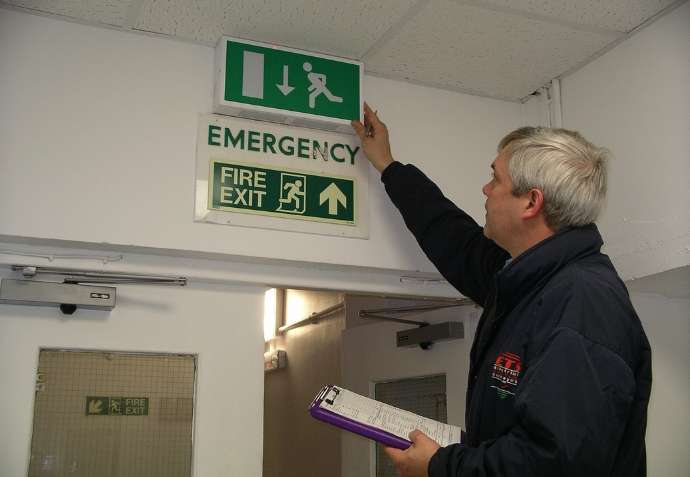
Maintaining proper emergency lighting systems ensures your business is not only safe but also legally protected and financially secure.
How Emergency Lighting Standards Improve Business Safety
- Ensuring Safe Evacuations During Emergencies:
Compliance with emergency lighting standards is critical for facilitating safe and timely evacuations during emergencies, such as fires, power outages, or other crises. When emergency lighting systems are properly installed and maintained according to standards like NFPA 101, they ensure that exit routes, stairways, and hallways are illuminated, allowing employees and customers to navigate safely through the building.
For example, in the event of a fire or sudden power failure, a properly functioning emergency lighting system can make the difference between chaos and a safe evacuation. Well-lit exit paths reduce confusion and help guide occupants to safety, even in smoke-filled or darkened environments.
In contrast, businesses that neglect emergency lighting may expose occupants to greater risks, as poor visibility can delay evacuation efforts and increase the chances of accidents or injuries.
- Boosting Employee and Customer Confidence:
A business that prioritizes safety by adhering to emergency lighting standards not only protects its people but also instills confidence in employees and customers. A well-lit and clearly marked building signals that the company is serious about safety and prepared for any potential emergency. Employees working in such environments feel more secure knowing that safety measures, including emergency lighting, are in place to protect them in a crisis.
Customers and clients visiting a business also take note of the overall safety infrastructure, including emergency lighting. A visible commitment to safety can reduce panic during emergencies and foster a sense of trust, which is especially important in high-traffic environments like retail stores, office buildings, and hospitality venues.
In these situations, ensuring that emergency lighting is fully compliant and operational helps maintain order and control during evacuations, minimizing the risk of injuries and ensuring a safer experience for all.
Meeting Emergency Lighting Standards in Your Business
- Key Areas to Focus on for Compliance:
To ensure your business meets emergency lighting standards, it’s essential to focus on key areas that are critical for safety and compliance. Emergency lighting must be installed in all exit routes, including hallways, corridors, and pathways that lead to exits.
Additionally, high-risk areas such as storage rooms for hazardous materials, mechanical rooms, and areas with heavy machinery require proper emergency lighting to reduce risks during emergencies. Stairwells, elevators, and assembly areas are also high-priority locations, as these are commonly used in evacuation routes.

Begin by assessing your current lighting system and identifying potential gaps in coverage. Are all exit routes clearly illuminated during a power outage? Do your high-risk areas have enough emergency lighting to ensure the safety of employees in those spaces?
Ensuring that you meet all OSHA and NFPA standards in these areas is crucial for avoiding legal penalties and ensuring the safety of building occupants.
Steps to Implement a Compliant Lighting System:
Developing a compliant emergency lighting system requires careful planning and execution. Start by conducting a thorough audit of your building’s emergency lighting needs, which highlights how emergency lighting standards impact your business by identifying necessary adjustments for safety and compliance.
The audit should cover all areas needing lighting and ensure the installation of the appropriate type in each location—either maintained or non-maintained. For example, maintained lights work best in frequently occupied areas, while non-maintained lights fit spaces where lighting is only necessary during emergencies
After determining your specific needs, collaborate with a professional lighting contractor who is knowledgeable about emergency lighting standards and building codes. They can help you develop an emergency lighting plan tailored to your business, ensuring compliance with all regulatory requirements.
Regular maintenance and testing should also be included in your strategy, guaranteeing that lights function reliably. Schedule routine inspections to assess lighting fixtures, batteries, and wiring, and promptly resolve any issues to maintain safety and avoid potential liabilities.
Implementing a well-designed, compliant emergency lighting system not only meets legal standards but also protects your business from liability risks, creating a safer environment for both employees and customers.
Regular Testing and Maintenance Requirements
- Testing Procedures to Meet Standards:
To comply with OSHA and NFPA guidelines, emergency lighting systems in businesses must undergo regular testing emergency Light to ensure they are fully functional when needed. The NFPA 101 Life Safety Code requires monthly tests where the emergency lights must operate for at least 30 seconds, and an annual test that runs for 90 minutes under battery power. This ensures that the backup power systems can sustain lighting throughout an emergency evacuation or power outage.
Businesses can implement simple testing procedures to meet these standards. For monthly checks, facilities staff can manually trigger the lights to switch to battery mode and confirm they work without any issues.
Engage a professional for the annual test to run a full-duration check, ensuring that batteries and fixtures withstand a sustained outage. Keep detailed records of all tests, noting any failures or maintenance performed.
- Keeping Up with Maintenance:
Regular maintenance of emergency lighting is crucial to prevent system failures during an emergency. Maintenance tasks include battery inspections to ensure they hold a charge and checking light fixtures for any signs of damage or wear. It’s also important to clean light covers and ensure there are no obstructions that might hinder visibility.
To stay on top of maintenance, businesses should schedule regular inspections at least twice a year, in addition to routine monthly testing. This can involve replacing old or faulty batteries, fixing any wiring issues, and checking that all emergency lights meet current safety standards.
By maintaining a proactive schedule, businesses can avoid costly fines, ensure compliance, and most importantly, provide a safe environment for employees and customers during an emergency.
Benefits of Staying Compliant with Emergency Lighting Standards
- Reducing Business Downtime:
Staying compliant with emergency lighting standards not only ensures safety but also helps prevent costly business disruptions. Non-compliance can lead to unexpected inspections, hefty fines, and forced shutdowns until safety issues are resolved. By adhering to OSHA and NFPA regulations, businesses can avoid these interruptions, allowing operations to continue smoothly.
In the event of a safety violation or audit, downtime can result in missed revenue opportunities and damage to the business’s reputation. A fully compliant emergency lighting system minimizes this risk, ensuring that businesses are always ready for inspections and prepared for emergencies. This proactive approach can save time, money, and the stress of scrambling to fix issues when it’s too late.
- Enhancing Business Reputation:
Maintaining compliance with emergency lighting standards does more than just keep your business safe — it can also enhance your reputation. A well-lit, compliant workplace demonstrates a commitment to employee and customer safety, which can be a major selling point when attracting new clients or employees. Modern consumers and job seekers place a high value on safety and reliability, and businesses that invest in these areas are seen as more responsible and trustworthy.
In the long term, ensuring compliance with emergency lighting standards builds a positive work environment and reinforces a company’s image as one that prioritizes the well-being of its people. Not only does this lead to improved morale and reduced liability risks, but it also boosts a company’s overall credibility in the marketplace, making it a more attractive option for partners, investors, and customers.
Conclusion
Emergency lighting standards play a crucial role in safeguarding your business by ensuring employee and customer safety, maintaining legal compliance, and protecting financial stability.
Understanding how emergency lighting standards impact your business is essential, as failing to meet these standards can result in costly fines, business disruptions, and increased liability risks. By staying compliant, businesses not only reduce the risk of accidents but also enhance their reputation as safe and reliable workplaces.
Now is the time to assess your current emergency lighting setup and ensure it aligns with OSHA, NFPA, and other relevant regulations. Take proactive steps to identify potential gaps in your system and make necessary adjustments to avoid future complications.
Call to Action:
Don’t leave your business vulnerable to legal and financial risks. Consult a professional today to evaluate your emergency lighting system and ensure it meets all safety and compliance standards. A properly maintained system will help protect your business, employees, and customers.
