
Emergency lighting systems are a critical component of building safety, ensuring that occupants can safely navigate to exits during power outages or emergencies. Whether in a residential, commercial, or industrial setting, the proper installation of these systems is essential for compliance with safety regulations and for protecting lives. However, one of the most significant considerations for building owners and managers is understanding the Emergency Lighting Installation Costs.

The cost of installing emergency lighting can vary widely depending on several factors, including the size and layout of the building, the type of lighting system chosen, and the complexity of the installation process. Without a clear understanding of these costs, budgeting for this essential safety feature can be challenging, potentially leading to overspending or underestimating the required investment.
The purpose of this post is to provide a detailed breakdown of the factors that influence Emergency Lighting Installation Costs. By exploring the various elements that contribute to the overall expense, this guide aims to help readers make informed decisions when planning for emergency lighting in different environments.
Whether you are installing a new system or upgrading an existing one, understanding the costs involved will ensure that you can budget effectively and choose the right solution for your needs.
2. Factors Affecting Emergency Lighting Installation Costs
Understanding the key factors that influence Emergency Lighting Installation Costs is crucial for accurate budgeting and planning. Several variables can impact the overall expense, from the physical characteristics of the building to the specific types of lighting systems selected.
Size and Layout of the Building
One of the primary factors affecting installation costs is the size and complexity of the building. Larger buildings naturally require more emergency lighting fixtures to cover all necessary areas, such as exits, stairwells, corridors, and large open spaces. The more extensive the area that needs to be illuminated, the higher the cost for both materials and labor.
The layout of the building also plays a significant role. Complex layouts with multiple levels, intricate corridors, or unconventional designs may require additional lighting fixtures and more sophisticated installation techniques, driving up the costs. For example, a multi-story office building with numerous hallways and staircases will likely incur higher installation costs than a single-story retail space with a straightforward layout.
Type of Emergency Lighting System
The type of emergency lighting system chosen is another critical factor that influences costs. Different systems come with varying price points, depending on their technology, power sources, and durability.
- LED Systems: LED emergency lights are popular due to their energy efficiency and long lifespan. While the initial cost of LED fixtures may be higher than traditional lighting, their lower energy consumption and reduced maintenance needs can make them more cost-effective in the long run.
- Battery-Operated Systems: Battery-operated emergency lights are typically less expensive upfront but may require more frequent maintenance and battery replacements, which can add to the long-term costs.
- Exit Signs and Specialty Lighting: The inclusion of illuminated exit signs and other specialized lighting, such as high-output floodlights or waterproof fixtures, can also affect the total installation cost. These lights are essential for ensuring visibility in specific areas and often come with additional installation requirements.

By considering these factors, building owners and managers can better estimate the Emergency Lighting Installation Costs for their specific needs, ensuring that they select the most appropriate and cost-effective solutions.
3. Material and Equipment Costs
When budgeting for Emergency Lighting Installation Costs, the price of materials and equipment is a significant factor to consider. The type of lighting fixtures and the additional equipment required, such as backup power systems, can vary widely in cost, influencing the overall expense of the project.
Lighting Fixtures and Equipment
The cost of emergency lighting fixtures can range significantly based on the type and quality of the lights selected:
- Basic Emergency Lighting Fixtures: These typically include simple battery-operated units designed for smaller spaces like residential homes or small offices. These fixtures are relatively inexpensive, generally ranging from $50 to $150 per unit.
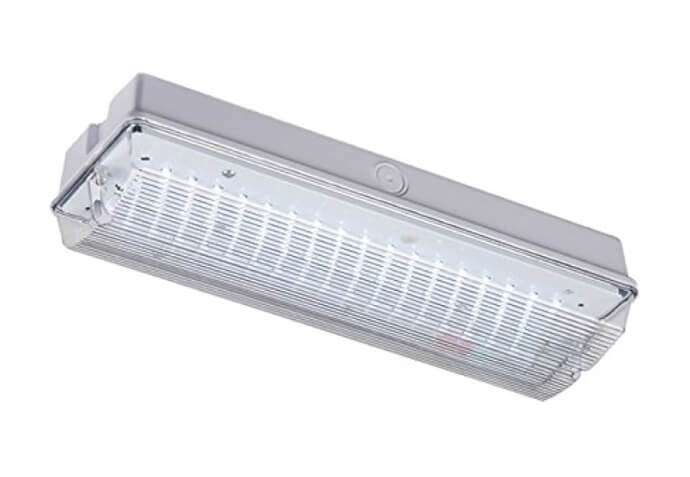
- LED Emergency Lights: LED fixtures are more energy-efficient and have a longer lifespan than traditional incandescent or fluorescent options. While the initial cost is higher, typically ranging from $100 to $300 per unit, their durability and lower energy usage can make them more cost-effective over time.
- Exit Signs: Illuminated exit signs are a critical component of any emergency lighting system. Costs for these signs vary depending on whether they use LED technology, are battery-powered, or are hardwired into the building’s electrical system. Prices typically range from $50 to $200 per sign.
- Backup Power Systems: To ensure that emergency lights function during power outages, many systems require backup power sources such as batteries or generators. Backup batteries can add $50 to $150 per unit, while larger systems with dedicated generators can cost several thousand dollars, depending on the power requirements and installation complexity.
Quality and Durability Considerations
Investing in higher-quality, durable materials may increase the initial Emergency Lighting Installation Costs but can offer significant long-term savings. High-quality fixtures are less likely to fail and often require less maintenance, reducing the need for frequent replacements or repairs.
For example, LED lights, though more expensive upfront, offer superior durability and energy efficiency compared to traditional lighting options. This means fewer replacements, lower energy bills, and overall better performance, making them a wise investment in the long run.
Additionally, durable fixtures are better suited to withstand harsh conditions, such as extreme temperatures or moisture, which is especially important in industrial settings. By opting for higher-quality materials, building owners can ensure that their emergency lighting systems are reliable and compliant with safety standards, ultimately providing better protection and value over time.
4. Labor Costs for Professional Installation
Labor costs are another significant component of Emergency Lighting Installation Costs. The price of professional installation varies based on the complexity of the job, the expertise required, and the location of the project.
Hourly Rates and Installation Fees
The hourly rates for electricians and other professionals involved in the installation of emergency lighting systems typically range from $50 to $100 per hour. These rates can vary depending on the region, the complexity of the installation, and the contractor’s experience level.
- Basic Installations: For straightforward installations, such as in small offices or residential buildings, the labor cost may be relatively low. A basic installation involving a few emergency lights and exit signs might take just a few hours, resulting in labor costs ranging from $300 to $1,000.
- Specialized Installations: More specialized installations, such as those in large commercial or industrial settings, often require additional expertise and more time. These projects may involve complex wiring, integration with existing safety systems, and adherence to strict building codes, leading to higher labor costs. In such cases, labor expenses can easily exceed $1,000 and reach several thousand dollars, depending on the scope of the work.
Complexity of Installation
The complexity of the installation significantly affects the labor costs. Installations that require extensive wiring, integration with fire alarm systems, or installation in hard-to-reach areas will naturally incur higher costs. For example:
- Wiring and Integration: If the installation involves connecting the emergency lighting system to the building’s existing electrical infrastructure or integrating it with fire alarms and other safety systems, the process becomes more labor-intensive and time-consuming, leading to higher costs.
- Customization and Special Conditions: Custom installations that require specific solutions for unique building layouts, such as in historical buildings or facilities with hazardous environments, may also increase labor costs. The need for specialized equipment or materials to meet building code requirements can add to the overall expense.
In summary, the labor costs associated with Emergency Lighting Installation Costs can vary widely depending on the complexity and scope of the project. Building owners should consider both the hourly rates and the specific installation challenges when budgeting for these essential safety systems.
5. Additional Costs to Consider
When calculating Emergency Lighting Installation Costs, it’s important to account for expenses beyond just materials and labor. Additional costs, such as permits, inspections, and ongoing maintenance, can significantly impact the overall budget and must be factored into any comprehensive cost estimate.
Permits and Inspections
Before installing emergency lighting systems, it’s often necessary to obtain permits from local building authorities. The cost of these permits can vary depending on the location and the scope of the project. For a small installation, permit fees might be relatively low, ranging from $50 to $200.
However, for larger commercial or industrial installations, permit costs can escalate, sometimes reaching several hundred dollars.
In addition to permits, inspections are required to ensure that the installation complies with all relevant building codes and safety regulations. Inspections may be carried out by local authorities or third-party agencies, and related fees may apply.
The cost of inspections can range from $100 to $500 or more, depending on the complexity of the installation and the specific requirements of the jurisdiction. Failing to obtain the necessary permits or pass inspections can lead to fines, delays, or even the need to redo the installation, further increasing costs.

Ongoing Maintenance and Testing
The initial Emergency Lighting Installation Costs are just the beginning. To ensure that the system remains functional and compliant with safety codes, regular maintenance and testing are essential. These ongoing costs should be factored into the long-term budget for the system.
- Routine Maintenance: Emergency lighting systems require regular maintenance to ensure that all components, including batteries, bulbs, and wiring, are in good working order. The cost of routine maintenance can vary but typically ranges from $200 to $500 per year for a standard system. More complex systems or those in larger buildings may require more frequent maintenance, increasing costs.
- Testing and Certification: Regular testing is necessary to ensure that the system will function correctly during an emergency. This includes monthly and annual tests, which may need to be documented for compliance purposes. The cost of professional testing services can add another $100 to $300 per year, depending on the size and complexity of the system.
By considering these additional costs, building owners and managers can create a more accurate and comprehensive budget for their emergency lighting systems, ensuring that the system remains both functional and compliant over time.
6. Cost Comparison for Different Settings
Emergency Lighting Installation Costs can vary significantly depending on the type of setting, whether residential, commercial, or industrial. Understanding these differences can help you budget more effectively and choose the right solution for your specific needs.
Residential vs. Commercial Installations
Emergency lighting installation in residential settings is generally more straightforward and less expensive compared to commercial installations. In a residential context, the system typically includes a few strategically placed emergency lights and exit signs, making the installation process simpler and less labor-intensive.
The average cost for a residential emergency lighting system might range from $500 to $2,000, depending on the size of the home and the complexity of the installation.
In contrast, commercial installations are usually more complex due to the larger size of the buildings and the need to comply with stricter safety regulations. Commercial buildings often require a greater number of emergency lights, more extensive wiring, and the integration of backup power systems.
As a result, Emergency Lighting Installation Costs for commercial settings can range from $2,000 to $10,000 or more, depending on the building size, layout, and specific safety requirements.
Industrial and Large-Scale Projects
Industrial and large-scale projects, such as factories, warehouses, or multi-story office buildings, typically involve the most significant Emergency Lighting Installation Costs.
These installations often require more robust systems designed to cover expansive areas, including specialized fixtures for hazardous environments or areas with high ceilings.
- Robust Systems: Industrial settings may require high-output lighting, explosion-proof fixtures, or lights that can withstand extreme conditions, all of which can drive up costs. The inclusion of large-scale backup power systems, such as industrial generators, also adds to the overall expense.
- Extensive Labor: The installation process for industrial and large-scale projects is usually more labor-intensive, involving complex wiring, integration with other safety systems, and compliance with stringent industrial safety standards. Labor costs for these projects can be significantly higher than for residential or standard commercial installations.
For industrial and large-scale projects, Emergency Lighting Installation Costs can range from $10,000 to $50,000 or more, depending on the scope and specific requirements of the installation. Understanding these cost differences allows building owners and managers to plan and budget appropriately for their emergency lighting needs across different settings.
7. Budgeting for Emergency Lighting Installation
Creating a comprehensive budget is crucial for managing Emergency Lighting Installation Costs effectively. Whether you’re planning for a residential, commercial, or industrial project, budgeting helps ensure that you allocate the necessary funds while also accounting for any unexpected expenses.
Creating a Budget Estimate
When preparing your budget, consider all the factors that can influence Emergency Lighting Installation Costs:
- Assess the Scope of Work: Start by evaluating the size and complexity of the installation. This includes the number of fixtures needed, the type of emergency lighting system chosen, and the labor required. Larger buildings or more complex systems will naturally require a larger budget.
- Get Detailed Quotes: Obtain quotes from multiple contractors to understand the range of costs involved. Ensure that each quote includes a breakdown of materials, labor, permits, and any other associated expenses. This will help you avoid surprises and ensure that all aspects of the installation are covered.
- Include Contingencies: It’s wise to set aside 10-20% of your budget for unexpected expenses, such as additional materials or unforeseen labor costs. This contingency fund can help cover any surprises that arise during the installation process without disrupting your overall budget.
- Factor in Ongoing Costs: Don’t forget to include the costs of ongoing maintenance and regular testing in your budget. These recurring expenses are essential for keeping your system compliant and functional.
Cost-Saving Strategies
There are several ways to manage Emergency Lighting Installation Costs without compromising on safety or quality:
- Bundle Services: If you’re undertaking multiple projects, such as installing emergency lighting along with other electrical work, consider bundling these services with the same contractor. This can often result in cost savings compared to hiring separate contractors for each task.
- Choose Cost-Effective Materials: While it’s important to select reliable and compliant materials, there may be opportunities to choose more cost-effective options. For example, LED lights, while having a higher upfront cost, are more energy-efficient and durable, leading to savings over time.
- Plan Ahead: By planning your installation during off-peak times or coordinating with other planned upgrades, you may be able to reduce labor costs. Contractors may offer discounts for work scheduled during slower periods.
By carefully estimating costs and considering strategies to save, you can create a realistic budget that covers all aspects of Emergency Lighting Installation Costs, ensuring a successful project that stays within your financial limits.
8. Examples of Typical Installation Costs
Understanding Emergency Lighting Installation Costs can be made clearer by examining specific examples. Here are two case studies that illustrate the cost breakdown for different types of installations.
Case Study 1: Small Office Installation
A small office of approximately 2,000 square feet required the installation of an emergency lighting system to comply with local safety regulations. The installation included basic LED emergency lights, exit signs, and a battery backup system.
Cost Breakdown:
- Materials: The cost for LED fixtures and exit signs totaled $1,200.
- Labor: Installation took two days, with labor costs totaling $1,000.
- Permits and Inspections: The office needed a permit, which cost $150, and an inspection fee of $200.
- Ongoing Maintenance: Annual maintenance and testing were estimated at $250 per year.
Total Installation Cost: $2,550, with ongoing costs of $250 annually.

This example highlights a relatively straightforward and affordable installation, suitable for small businesses looking to comply with safety regulations without significant financial burden.
Case Study 2: Large Commercial Building
A large commercial building with five floors and multiple exits required a comprehensive emergency lighting system. The project included high-output LED fixtures, illuminated exit signs, and a generator backup system.
Cost Breakdown:
- Materials: The cost for high-quality fixtures, exit signs, and a backup generator amounted to $15,000.
- Labor: Due to the complexity of the installation, labor costs were $10,000, reflecting the need for extensive wiring and integration with other safety systems.
- Permits and Inspections: Permit fees totaled $500, with an additional $500 for multiple inspections required by local authorities.
- Ongoing Maintenance: The building’s maintenance costs were estimated at $1,500 per year, including testing and generator upkeep.
Total Installation Cost: $26,000, with ongoing costs of $1,500 annually.
This example demonstrates the higher Emergency Lighting Installation Costs associated with large commercial buildings, where robust systems and extensive labor are required to meet stringent safety standards.
By reviewing these case studies, building owners and managers can gain a clearer understanding of the potential costs associated with their specific installation needs, helping them plan and budget accordingly.
9. Finding Affordable Installation Services
Managing Emergency Lighting Installation Costs effectively requires finding the right balance between affordability and quality.
Here’s how to navigate the process of selecting an installation service that meets your budget while ensuring compliance and safety.
Comparing Quotes from Contractors
One of the best ways to ensure you’re getting a fair price is by obtaining quotes from multiple contractors.
Here’s how to do it effectively:
- Request Detailed Quotes: When reaching out to contractors, ask for a detailed breakdown of costs. This should include materials, labor, permits, and any additional fees. A transparent quote allows you to compare the specifics of what each contractor is offering.
- Look Beyond the Total Cost: While it’s tempting to go with the lowest quote, it’s important to consider what is included. A lower upfront cost might not include necessary elements like quality materials or thorough testing, which could lead to higher costs down the line.
- Check References and Reviews: Before making a decision, check the contractor’s references and online reviews. This will give you insight into their reliability, quality of work, and whether previous customers felt they received good value for their money.
- Consider Local Contractors: Sometimes, local contractors offer competitive rates and better service because they are familiar with local codes and regulations. They may also be more flexible with pricing and timelines.
Evaluating Value vs. Cost
When comparing quotes, it’s crucial to assess the overall value of the services offered, not just the bottom line:
- Quality of Materials: Higher-quality materials may come with a higher price tag, but they often offer better durability, energy efficiency, and compliance with safety standards. Investing in better materials can reduce long-term maintenance costs and improve the reliability of your emergency lighting system.
- Experience and Expertise: Contractors with more experience and expertise might charge more, but their work is likely to meet or exceed code requirements, reducing the risk of costly rework or penalties for non-compliance.
- Warranty and Support: Consider the warranties offered on materials and workmanship. A slightly higher initial cost might be worth it if the contractor provides robust post-installation support and a strong warranty.
By carefully comparing quotes and evaluating the overall value, you can manage Emergency Lighting Installation Costs more effectively, ensuring that you receive a quality installation that meets your safety needs without exceeding your budget.
10. Conclusion
Understanding and managing Emergency Lighting Installation Costs is essential for any building project, whether residential, commercial, or industrial. Several factors influence these costs, including the size and layout of the building, the type of lighting system selected, labor expenses, and additional costs such as permits, inspections, and ongoing maintenance.
By carefully budgeting and considering all these elements, building owners can ensure that their emergency lighting systems are both effective and compliant with safety regulations.
Final Thoughts and Recommendations
When planning your emergency lighting installation, it’s important to approach the project with a comprehensive understanding of potential costs and value.
Start by evaluating your specific needs and obtaining detailed quotes from multiple contractors. Consider the long-term costs, including maintenance and energy efficiency, when selecting materials and services.
Ultimately, the goal is to balance cost with quality, ensuring that your emergency lighting system provides reliable safety for building occupants while staying within your financial limits.
By taking these steps, you can effectively manage Emergency Lighting Installation Costs, resulting in a well-planned, cost-effective installation that meets all necessary safety standards and provides peace of mind.
