

Benefits of LED Strip Channels in Architecture
LED strip channels offer numerous benefits that make them an essential component in modern architectural designs. One of the primary advantages is their ability to enhance aesthetics. These channels provide a sleek, streamlined appearance that seamlessly integrates into any architectural setting.
The use of diffusers, such as clear, frosted, or opal, ensures that the light emitted is soft and evenly distributed, eliminating harsh shadows and creating a harmonious visual effect.

Energy efficiency is another significant benefit of LED strip channels. LED technology is known for its low power consumption compared to traditional lighting solutions. This makes LED strip channels an environmentally friendly choice that helps reduce energy costs. Architects and designers can leverage this efficiency to meet sustainability goals while still delivering high-quality lighting.
Key Features to Look for in LED Strip Channels for Architecture
When choosing LED strip channels for architectural projects, several key features should be considered to ensure optimal performance and aesthetics.
- Material (Aluminum vs. Plastic): The material of the LED strip channel plays a significant role in durability and heat dissipation. Aluminum channels are highly recommended for architectural use due to their superior heat management. They help extend the lifespan of LED strips by effectively dissipating heat and maintaining consistent performance. Aluminum is also strong and can withstand physical impacts, making it suitable for both indoor and outdoor use. Plastic channels offer a more budget-friendly option but lack the durability and heat dissipation capabilities of aluminum.
- Diffuser Types (Clear, Frosted, Opal): The diffuser you choose directly affects the quality and distribution of light. Clear diffusers provide maximum brightness but may show visible LED dots, which can cause glare. Frosted diffusers soften the light and reduce glare while maintaining brightness, making them ideal for balanced lighting. Opal diffusers create a smooth, even glow by eliminating visible hotspots, perfect for ambient and accent lighting. Selecting the appropriate diffuser depends on the desired lighting effect and project needs.
- Weather Resistance and Durability:For outdoor or exposed installations, weather resistance is vital. Select LED strip channels rated for outdoor use, with UV protection, waterproofing, and corrosion resistance. Channels designed for harsh conditions ensure longevity and reliability, especially in outdoor architectural projects. Durability is also crucial in high-traffic areas where impacts are common.
- Ease of Installation: Choose channels that include mounting accessories like clips, end caps, and screws. Snap-on or slide-in diffusers simplify the installation process. Channels that can be easily cut and adapted to different architectural elements allow for greater design flexibility.

By focusing on these features, architects can select LED strip channels that offer durability, functionality, and aesthetic appeal for their projects.
Top LED Strip Channels for Architectural Designs
Choosing the right LED strip channels is crucial for achieving the desired lighting effect in architectural projects. Here is an in-depth review of the top five LED strip channels available for architectural use, presented in a table format for easy comparison.
| Product | Features | Pros | Cons | Ideal Use |
|---|---|---|---|---|
| TORCHSTAR U-Shape Aluminum Channel | Made from high-quality aluminum, includes frosted diffuser, complete mounting kit | Excellent heat dissipation, easy installation, sleek design | Frosted diffuser slightly reduces brightness | Ideal for highlighting architectural features and under-cabinet lighting |
| StarlandLed 10-Pack Aluminum Channel | Includes clear and frosted diffusers, multiple mounting clips and end caps | Versatile diffuser options, good heat management, cost-effective | Clear diffuser can cause glare | Great for both interior and exterior ambient lighting |
| Muzata 10-Pack LED Channel | Robust aluminum build, high-transmittance cover, compatible with various LED strips | Durable, high light output, customizable length | Requires precise cutting tools | Perfect for detailed lighting designs like around windows or staircases |
| Litever 6-Pack LED Channel | Sturdy aluminum with frosted diffuser, snap-on design for easy installation | Soft, even light diffusion, secure snap-on cover, includes all mounting hardware | Slightly pricier than others | Best for creating cozy, ambient lighting in residential or commercial spaces |
| Hunhun 10-Pack V-Shape LED Aluminum Channel | V-shaped design, includes clear and frosted diffusers, high compatibility | Flexible application, good heat dissipation, sleek finish | Clear diffuser may not suit all preferences | Excellent for corner lighting and highlighting architectural lines |
Each of these products offers unique features and benefits, catering to different architectural needs and preferences. By considering the pros and cons and the ideal use for each product, architects can select the best LED strip channels to create stunning and functional lighting designs.
Creative Architectural Applications of LED Strip Channels
LED strip channels offer a multitude of creative and practical applications in architectural projects, transforming spaces with innovative lighting solutions.
- Building Facades: Using LED strip channels on building facades can dramatically enhance the exterior appearance. These channels can outline structural elements, highlight architectural features, or create dynamic lighting effects that change color and intensity. This not only adds aesthetic value but also improves visibility and security.
- Interior Accents: Inside buildings, LED strip channels can be used to accentuate key design elements. Install them under countertops, along staircases, or behind mirrors to create a sophisticated ambiance. They can also be used to highlight wall art or create indirect ceiling lighting, adding depth and interest to interior spaces.
- Landscape Lighting: For outdoor landscapes, LED strip channels are perfect for illuminating pathways, gardens, and water features. They are designed to withstand weather conditions, providing consistent and reliable lighting. Use them to outline garden beds, light up trees and shrubs, or create a warm, inviting atmosphere around patios and walkways.
- Commercial Spaces: In commercial settings, LED strip channels can enhance both aesthetics and functionality. They can be used for under-shelf lighting in retail stores, creating an inviting shopping experience. In offices, use them for task lighting or to highlight architectural elements, fostering a productive and visually pleasing environment. Restaurants and hotels can also benefit from the ambiance created by strategically placed LED strip channels.

Installation Tips for Architectural LED Strip Channels
Maintenance and Care for Architectural LED Strip Channels
Proper maintenance and care of LED strip channels are crucial for ensuring their longevity and optimal performance. Here are some tips to keep your architectural lighting in top condition.
- Regular Cleaning: Dust and grime can accumulate on the channels and diffusers, diminishing light output and aesthetic appeal. Regularly clean them using a soft, dry cloth. For tougher dirt, use a slightly damp cloth with mild soap, but avoid harsh chemicals that could damage the materials. Ensure all components are thoroughly dried to prevent moisture buildup.
- Inspect and Secure Connections: Periodically check the connections of your LED strips to ensure they remain secure and functional. Loose connections may lead to flickering or total light failure. Reconnect or replace faulty connectors as needed. Use cable ties or clips to organize wires and prevent them from tangling or getting damaged.
- Check for Physical Damage: Regularly inspect the channels and LED strips for physical damage, such as cracked diffusers or bent aluminum. Address any issues immediately to prevent further damage or safety hazards. Replacing damaged parts early can save you from costly repairs later.
- Ensure Proper Ventilation: Overheating can reduce the lifespan of your LED strips. Make sure the channels have proper ventilation and are free from obstructions that could trap heat. For outdoor setups, ensure the channels remain free from debris or plant growth.
- Reapply Adhesive: If the adhesive backing on your LED strips starts to weaken, causing them to sag, reapply a strong, heat-resistant adhesive. This is particularly important in high-traffic areas or environments with fluctuating temperatures.
- Upgrade Components: LED technology constantly evolves. Keep an eye out for new products or upgrades, like more efficient or brighter LEDs, to enhance your lighting system without needing a full replacement.
Frequently Asked Questions (FAQs)
1. What are the best LED strip channels for outdoor architectural lighting?
For outdoor architectural lighting, it’s crucial to choose LED strip channels that are weather-resistant and durable. Look for channels made from high-quality aluminum with a protective coating that guards against corrosion. Ensure they have an IP65 or higher rating to withstand water, dust, and other environmental factors. Products like the Hunhun V-Shape LED Aluminum Channel are excellent choices for outdoor use due to their robust construction and weather resistance.
2. Can LED strip channels be customized for specific architectural projects?
Yes, LED strip channels can be customized to fit the specific needs of architectural projects. Many manufacturers offer channels in various lengths, shapes, and finishes. You can cut the channels to the desired length using appropriate tools and customize the installation to fit unique architectural features. Additionally, there are flexible LED strip channels available that can adapt to curved surfaces, providing even more design versatility.
3. How do I choose the right diffuser for architectural lighting?
Choosing the right diffuser depends on the lighting effect you want to achieve. Clear diffusers provide maximum brightness but can result in visible LED dots and glare, which may not be suitable for all applications. Frosted diffusers soften the light output, reducing glare while maintaining sufficient brightness.
Opal diffusers offer the most uniform light diffusion, creating a smooth, even glow without visible hotspots, ideal for ambient and accent lighting. Consider the specific requirements of your project, such as the desired ambiance and the function of the lighting, when selecting a diffuser.
Answering these common questions will help you make informed choices about incorporating LED strip channels into your architectural designs, ensuring optimal results for your projects.
Conclusion
LED strip channels offer numerous benefits for modern architectural designs, such as improved aesthetics, enhanced energy efficiency, and versatile application possibilities. By choosing the right materials, diffusers, and installation techniques, architects can create stunning and functional lighting solutions for both interior and exterior projects.
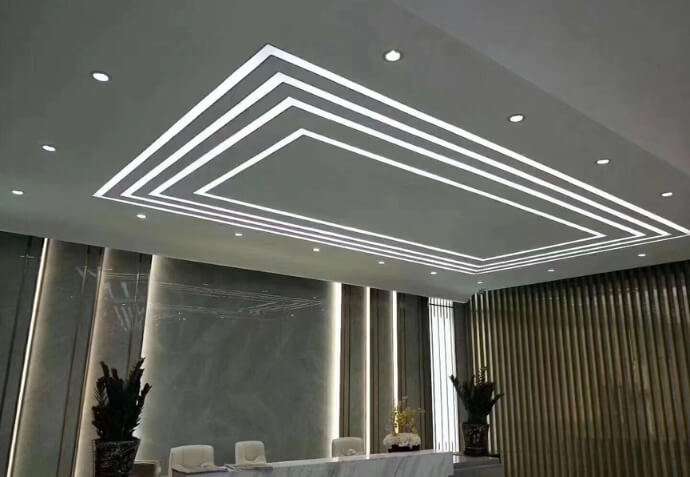
The architectural uses of LED strip channels provide a sleek, durable, and customizable option for various design needs, ensuring your projects stand out and maintain performance over time. Embrace the potential of LED strip channels to transform your architectural designs into visually striking and energy-efficient masterpieces.
Call to Action
We invite you to share your experiences with LED strip channels in architectural projects in the comments below. For more information, check out our recommended products and detailed installation guides linked here.
