
Discover key techniques and best practices for installing Chinese aluminium profiles for LED strip lights. This guide offers step-by-step instructions and expert tips to help you maximize both aesthetics and functionality. Whether you’re a professional installer or a DIY enthusiast, mastering the installation process will elevate your LED lighting projects.

From planning to final touches, this comprehensive guide ensures efficient and visually stunning results.
Installing Chinese aluminium profiles for LED strips starts with careful planning to ensure optimal performance and durability. Assess the installation environment by measuring the area and identifying factors such as moisture, temperature fluctuations, or structural limitations.
Choose the right profile type—recessed, surface-mounted, or corner—to match your project’s specific needs.
Measure and cut aluminium profiles accurately using tools designed for aluminium to ensure clean, precise cuts. Improper cuts can compromise installation and visual appeal. Test fit all pieces in their designated locations to confirm proper alignment and achieve the desired lighting effect.
During mounting, clean and dry the surface thoroughly to ensure stability. Use appropriate fasteners and mounting clips to securely attach the profiles without damaging the surface. Add diffusers for enhanced aesthetics and even light distribution while protecting the LED strips.
These steps create a solid foundation for wiring and finishing work. Properly securing and aligning the profiles ensures a functional and striking LED installation.
Continue reading to explore advanced techniques for securing, wiring, and finishing your LED profiles. Mastering these details is essential to achieving efficient, professional-quality results when installing Chinese aluminium profiles for LED projects.
Preparation and Planning Aluminium Extrusion Profiles
Successful installation of Chinese aluminium profiles for LED strips begins with meticulous preparation and planning. Start by assessing the installation environment to identify any potential challenges such as moisture, temperature extremes, or surface irregularities.
This assessment will inform the choice of profiles and installation methods best suited to the environment, ensuring long-term durability and functionality.
Accurate measurement and cutting are critical to ensure that the profiles fit perfectly in the designated space. Use a tape measure for precise measurements and mark cutting lines on the aluminium profiles using a non-permanent marker.
It’s essential to use the correct cutting tools—such as a miter saw with a non‑ferrous blade or a laser cut machine—to achieve clean, straight cuts. Always double‑check measurements before cutting to avoid costly mistakes.
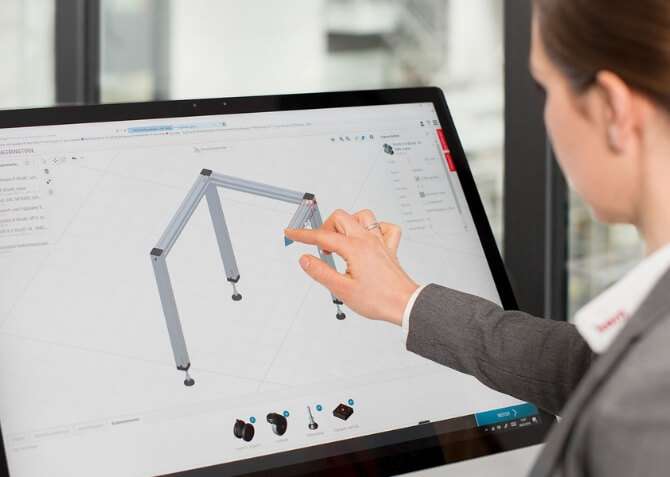
Selecting the right tools and materials for the installation is also crucial. This includes choosing high-quality screws and anchors that are suitable for the mounting surface, whether it’s drywall, wood, or concrete.
Additionally, consider the need for other materials like silicone sealant for moisture-prone areas or double-sided tape for temporary placement during the installation process.
Having all necessary tools on hand, such as drills, screwdrivers, and levels, will streamline the installation process and help achieve a professional finish.
Chinese aluminum LED Mounting Techniques
Securely fastening Chinese aluminium profiles to various surfaces requires an understanding of both the material properties and the environment. For drywall, use appropriate drywall anchors that can support the weight of the profile and the LED strips.
When mounting to wood, pre-drilling holes will prevent the wood from splitting and ensure a secure fit. For concrete or brick, special masonry anchors or screws will be necessary.
Aligning the profiles for uniform lighting distribution is another key aspect of mounting. Use a level to ensure all profiles are perfectly horizontal or vertical, depending on the design. This impacts both the aesthetic result and the efficiency of light distribution.

When installing multiple profiles across a large area, consider using a laser level to maintain alignment across greater distances.
For an invisible or seamless installation, consider recessed profiles that can be plastered over or profiles designed to fit tightly against adjacent surfaces. Where profiles cannot be recessed, paint the mounting hardware and the ends of the profiles to match the surrounding surfaces, helping them blend in.
Additionally, plan the wiring routes carefully to keep cables hidden, maintaining a clean and uncluttered appearance.
These mounting techniques, when executed carefully, ensure that the aluminium profiles are not only functional but also contribute to the overall design integrity of the space.
Electrical Connections
Ensuring safety and functionality in the electrical connections of LED strips within aluminium profiles is crucial. Start by selecting the appropriate gauge of wiring based on the power requirements and length of your LED strips to prevent voltage drop and overheating.
It’s essential to ensure that all wiring complies with local electrical codes and standards. Use only UL-listed wires and connectors to guarantee safety and reliability.
When connecting the LED strips to power sources, ensure that all connections are secure and free from loose wires, which can cause short circuits or power disruptions. If soldering is required, ensure it is done cleanly and protected with heat shrink tubing to prevent any exposure.
For installations that require extending the LED strips beyond their initial length, use manufacturer-recommended connectors or junction boxes to maintain a consistent electrical flow.
Incorporating switches and dimmers allows for greater control over the lighting intensity and can help create the desired ambiance. Install dimmers that are compatible with the type of LED strips used, as some dimmers work specifically with low voltage systems while others are suited for mains voltage.
Always ensure that switches and dimmers are easily accessible and safely installed away from moisture or heat sources.
Enhancing Performance LED Strips in Aluminium Profiles
Optimizing the performance of LED strips in aluminium profiles involves several factors, beginning with effective heat dissipation. Aluminium profiles naturally help dissipate heat generated by LED strips, but this can be enhanced by selecting profiles with sufficient surface area and properly thermal-managed designs.
Ensuring that the profiles are not enclosed in tightly sealed spaces allows for air circulation, which is vital for cooling.
Positioning the profiles to maximize light output and efficiency is another critical consideration. Place profiles at strategic locations where the light distribution can cover the intended area effectively. Consider the angle of installation, as this can affect how the light is dispersed.
Profiles installed at a slight angle can help eliminate glare and provide a more uniform light spread.
Using diffusers and covers not only enhances the aesthetic appeal of the installation but also helps soften the light, reducing harsh shadows and creating a more even light distribution. Diffusers come in various levels of opacity, allowing for customization of light softness according to the ambiance required.
Additionally, they protect the LED strips from dust and physical contact, which can extend the lifespan of the LEDs.
By focusing on these aspects of electrical connections and performance enhancement, you can ensure that your installation of Chinese aluminium profiles for LED lighting is both safe and effective, maximizing the longevity and aesthetic quality of your lighting project.
Waterproofing and Outdoor Aluminum Fixture Installations
Installing LED profiles in outdoor environments demands careful consideration of waterproofing and durability to ensure long-lasting performance. Effective waterproofing techniques are essential to protect the sensitive electronic components of LED strips from moisture, rain, and even humidity.
One primary technique for waterproofing LED profiles is the use of specially designed enclosures that are rated for outdoor use. These enclosures, often made from durable materials like aluminum and sealed with gaskets, provide robust protection against environmental elements.
It is crucial to select enclosures that meet the IP65 standard or higher, which indicates a level of protection sufficient to prevent ingress of dust and water.
When choosing sealants for securing and waterproofing the profiles, opt for silicone-based products that offer flexibility, strong adhesion, and resistance to weathering and temperature variations.
Silicone sealants are effective not only in sealing the gaps where the profiles meet other surfaces but also in providing a moisture-resistant barrier over the entire installation. When applying sealant, ensure that all joints and entry points for wiring are thoroughly covered to prevent water ingress.
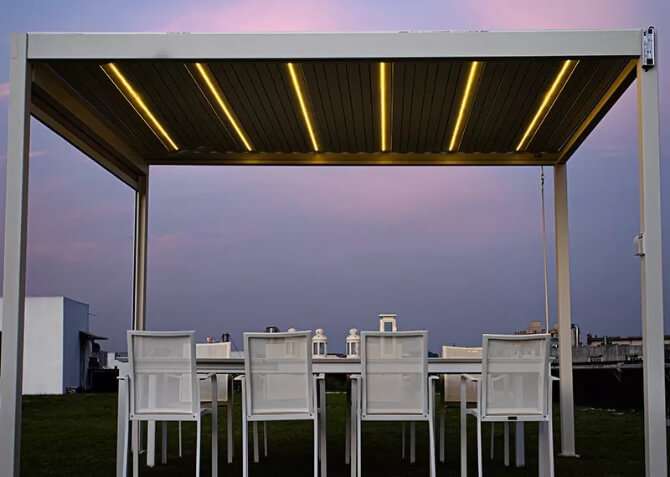
For outdoor installations, consider the thermal expansion of aluminium profiles and ensure that there is enough room for the material to expand and contract with temperature changes.
This prevents warping and maintains the integrity of the waterproof seal over time. Maintenance is also a crucial factor; regularly check and reapply sealants as needed, and inspect the installation for any signs of water damage or corrosion.
Using stainless steel fasteners can also enhance durability as they are resistant to rust and corrosion.
By employing these waterproofing techniques and choosing suitable materials, you can significantly extend the lifespan and performance of LED profiles in outdoor settings.
Ensuring that each component is properly selected and installed will minimize maintenance needs and protect your investment against the elements.
Chinese LED Aluminum Channels Installation Issues
Effective troubleshooting is essential to maintain the integrity and performance of LED installations using Chinese aluminium profiles. By identifying and resolving common issues, you can ensure that your lighting setup remains functional and visually appealing for the long term.
- Identifying and Resolving Common Problems: One frequent issue with profile installation is improper alignment, which can lead to uneven lighting distribution. To rectify this, check that all profiles are straight and level during the initial setup using a spirit level. If misalignment occurs after installation, loosen the fasteners slightly, adjust the profiles to the correct position, and then retighten.
Another common problem is flickering lights, which usually indicates a loose connection. Inspect all wiring connections from the power source to the LED strips within the profiles. Secure any loose wires with proper connectors and ensure that solder joints are intact. If flickering persists, it might be necessary to replace faulty wiring or connectors. - Tips for Repairing or Adjusting LED Strips in Profiles: If an LED strip stops functioning correctly or dims unevenly, first check for any visible signs of damage or wear. Carefully remove the LED strips from the profiles and inspect them for damage. Cut out damaged sections and replace or bypass them using soldering techniques. Reposition the strip correctly within the profile to prevent hot spots or shadowing.
Maintenance for Long-Term Performance Aluminium Extrusions
Regular maintenance is key to sustaining the performance of your LED lighting. Schedule routine inspections to check for dust buildup, which can impede heat dissipation and reduce the efficiency of your lighting. Clean the profiles and LED strips gently with appropriate cleaning solutions to avoid damage.
Additionally, check the integrity of all sealants and protective covers, especially in outdoor installations, to prevent moisture ingress and environmental damage.
By adhering to these troubleshooting and maintenance practices, you can enhance the longevity and functionality of your LED installations, ensuring that they continue to provide optimal lighting performance and aesthetic value over time.
Conclusion
To summarize, successfully installing Chinese aluminium profiles for LED lighting requires meticulous preparation, precise installation, and regular maintenance.
By implementing best practices, such as using appropriate tools and materials, ensuring proper alignment and secure fastening, and addressing waterproofing needs, you can achieve professional-quality results. These techniques not only enhance the aesthetic appeal of your space but also ensure the longevity and functionality of your lighting system.
Embrace these strategies to elevate your LED projects, maximizing the potential of installing Chinese aluminium profiles for LED to transform and enrich your lighting designs. Use these insights to create durable, efficient, and visually stunning lighting installations.
