
Choosing the right battery for your emergency lighting system can be challenging. NiCd vs Lead Acid Emergency Light Batteries are two of the most popular options, each with its own advantages and disadvantages.

Understanding the differences between NiCd vs Lead Acid Emergency Light Batteries is crucial to making an informed decision that ensures safety and reliability for your emergency lights. This guide will help you navigate the complexities of these battery types and choose the best option for your needs.
When comparing NiCd vs Lead Acid Emergency Light Batteries, several factors come into play, including lifespan, maintenance, cost, and environmental impact. NiCd batteries are known for their durability and ability to operate in extreme temperatures, making them a reliable choice for various applications.
They typically have a longer lifespan and lower maintenance needs, but they suffer from the memory effect and contain toxic materials that require careful disposal. On the other hand, Lead Acid batteries are more affordable and easier to recycle, making them a cost-effective option.
However, they are heavier, have a shorter lifespan, and are more sensitive to temperature variations. Each type has its strengths and weaknesses, making them suitable for different applications. By understanding these key differences, you can make an informed choice that best fits your specific emergency lighting requirements.
Want to dive deeper into the specifics of NiCd vs Lead Acid Emergency Light Batteries? Understanding the composition, applications, and pros and cons of each battery type can help you make the best decision for your emergency lighting needs. Let’s start with an in-depth look at NiCd batteries.
Overview of NiCd Batteries
- Composition and Chemical Structure of NiCd Batteries: Nickel-Cadmium (NiCd) batteries are composed of nickel oxide hydroxide and metallic cadmium as electrodes. These components contribute to the battery’s robustness and long cycle life, allowing it to withstand numerous charge and discharge cycles without significant degradation.
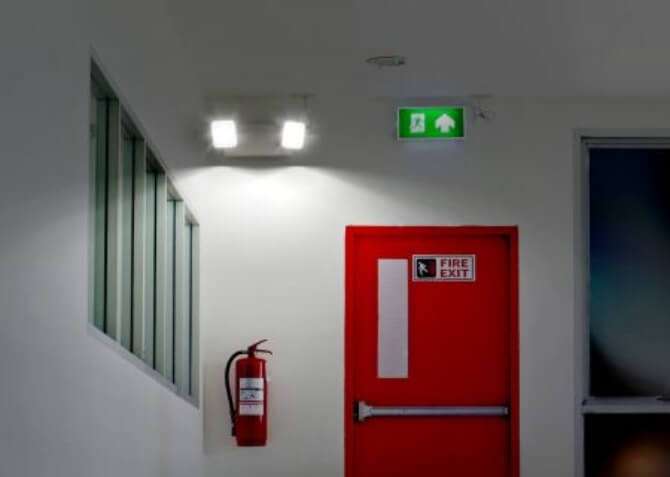
- Common Uses and Applications in Emergency Lighting: NiCd batteries are commonly used in emergency lighting systems because of their reliability and ability to perform under various environmental conditions. They are especially suitable for applications that require consistent performance in extreme temperatures, both hot and cold. This makes them an ideal choice for industrial settings, outdoor emergency lighting, and other demanding environments.
- Pros and Cons of Using NiCd Batteries: The main advantages of NiCd batteries include their durability, ability to operate effectively in extreme temperatures, and long lifespan. These qualities ensure that emergency lights powered by NiCd batteries will function reliably when needed. However, NiCd batteries are not without their drawbacks. They suffer from the memory effect, which can reduce their effective capacity if not properly managed through regular full discharge cycles. Additionally, NiCd batteries contain toxic metals, making their disposal a significant environmental concern. Proper recycling and disposal methods must be followed to mitigate their environmental impact.

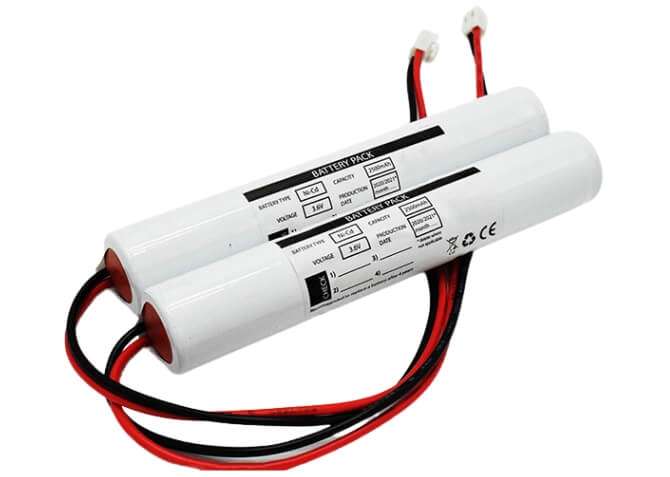
Understanding the strengths and weaknesses of NiCd batteries can help you determine if they are the right choice for your emergency lighting system.
Overview of Lead Acid Batteries
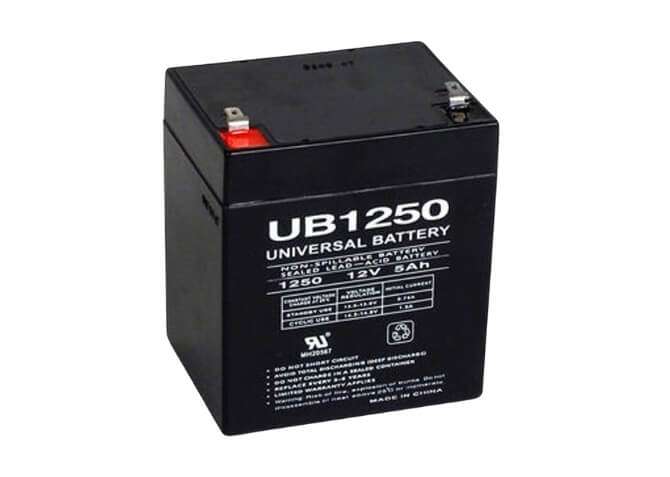
- Composition and Chemical Structure of Lead Acid Batteries: Lead Acid batteries are composed of lead dioxide and sponge lead as electrodes, with sulfuric acid acting as the electrolyte. This combination allows for a reliable chemical reaction that produces electricity. The lead and acid components are well understood and have been used for decades, providing a stable and effective power source.
- Common Uses and Applications in Emergency Lighting: Lead Acid batteries are widely used in emergency lighting systems primarily due to their cost-effectiveness and ease of recycling. They are particularly popular in applications where budget constraints are a significant consideration, such as in residential buildings and commercial facilities. Their widespread availability and established recycling processes make them a practical choice for many emergency lighting scenarios.
- Pros and Cons of Using Lead Acid Batteries: The primary advantages of Lead Acid batteries include their low cost, high reliability, and the ease with which they can be recycled. These factors make them an attractive option for emergency lighting, particularly in settings where cost is a major factor. However, Lead Acid batteries also have their drawbacks. They are generally heavier than NiCd batteries, which can be a disadvantage in some applications. Additionally, they have a shorter lifespan and lower energy density compared to NiCd batteries, requiring more frequent replacements and delivering less power for their size. Despite these limitations, their affordability and reliability often make them the preferred choice for many emergency lighting applications.
NiCd Battery Lifespan
- Typical Lifespan and Factors Affecting Longevity: NiCd batteries typically last between 15 to 20 years, making them one of the most durable options for emergency lighting systems. Several factors can influence their longevity, including the operating temperature and the number of charge cycles they undergo. Higher temperatures and frequent charging can reduce the lifespan of NiCd batteries, while stable temperatures and moderate usage can help extend it.
- Maintenance Requirements to Extend Lifespan: To maximize the lifespan of NiCd batteries, regular maintenance is essential. One crucial practice is deep cycling, which involves fully discharging the battery before recharging it. This process helps mitigate the memory effect, a phenomenon where the battery “remembers” the partial charge cycles and loses capacity over time. Additionally, ensuring that the batteries are stored and operated within the recommended temperature range can help maintain their performance and longevity.
Lead Acid Battery Lifespan
- Typical Lifespan and Factors Affecting Longevity: Lead Acid batteries generally have a lifespan of 3 to 5 years. Their longevity is influenced by factors such as temperature, depth of discharge, and overall maintenance practices. Extreme temperatures can accelerate the degradation of Lead Acid batteries, while deep discharges can significantly shorten their lifespan. Therefore, keeping these batteries within optimal operating conditions is crucial for maximizing their durability.
- Maintenance Requirements to Extend Lifespan: Regular maintenance can significantly prolong the lifespan of Lead Acid batteries. This includes ensuring proper charging practices, such as avoiding overcharging and deep discharges. Using a suitable charger that matches the battery’s specifications is also essential to prevent damage and extend its service life. Regularly checking the battery’s electrolyte levels and keeping the terminals clean can further help maintain its performance and longevity.
Understanding the lifespan and maintenance requirements of both NiCd and Lead Acid batteries can help you choose the right battery type for your emergency lighting system, ensuring long-term reliability and efficiency.
Initial Costs
- Price Comparison of NiCd and Lead Acid Batteries: When comparing NiCd vs Lead Acid Emergency Light Batteries, NiCd batteries tend to be more expensive initially. This higher cost is attributed to their longer lifespan and superior performance in extreme conditions. On the other hand, Lead Acid batteries are generally more affordable, making them a popular choice for budget-conscious applications.
- Factors Influencing Initial Costs: Several factors can influence the initial cost of both NiCd and Lead Acid batteries, including battery size, capacity, and brand. Larger batteries with higher capacities typically cost more. Additionally, well-known brands may charge a premium due to their reputation for quality and reliability. It’s important to consider these factors when budgeting for emergency light batteries to ensure you select a product that meets your needs without overspending.
Long-term Costs
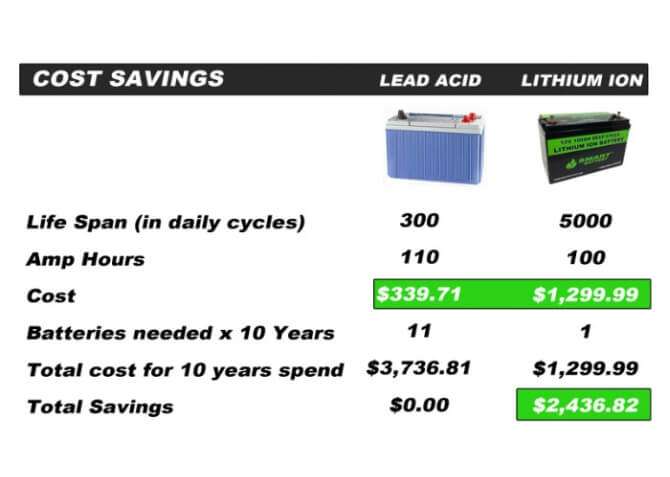
- Total Cost of Ownership, Including Maintenance and Replacement: While NiCd batteries have a higher upfront cost, their long lifespan and lower maintenance needs can make them more cost-effective over time. NiCd batteries can last between 15 to 20 years, reducing the frequency of replacements and the associated costs. Conversely, Lead Acid batteries, despite their lower initial cost, generally have a lifespan of 3 to 5 years. This shorter lifespan means more frequent replacements and potentially higher long-term costs.
- Cost-effectiveness Over the Lifespan of the Batteries: To determine the most cost-effective option for your emergency lighting needs, it’s crucial to evaluate the total cost of ownership, including the purchase price, maintenance, and replacement costs. NiCd batteries, with their longer lifespan and lower maintenance requirements, may offer better value over the long term. In contrast, Lead Acid batteries might seem cheaper initially but could end up being more expensive due to their shorter lifespan and higher maintenance needs. By considering these factors, you can make a more informed decision that balances initial expenditure with long-term savings.
Understanding the cost implications of NiCd vs Lead Acid Emergency Light Batteries will help you choose the right battery type that aligns with both your budget and performance requirements.
Recycling and Disposal
- Environmental Considerations for Recycling NiCd Batteries: NiCd batteries contain toxic cadmium, which poses significant environmental risks if not handled correctly. Proper recycling and disposal of NiCd batteries are crucial to prevent environmental contamination. Specialized recycling facilities safely extract and process the cadmium, preventing it from leaching into the soil or water supply. Consumers must adhere to local regulations and take NiCd batteries to designated recycling centers to minimize their environmental impact.
- Environmental Considerations for Recycling Lead Acid Batteries: Lead Acid batteries, on the other hand, are easier to recycle due to well-established processes for reclaiming lead and sulfuric acid. Recycling facilities collect and process these batteries, reusing the lead in new batteries and neutralizing the acid for safe disposal.This extensive recycling infrastructure helps reduce the environmental impact of Lead Acid batteries, making them a more environmentally friendly option compared to NiCd batteries.
Toxicity and Safety
- Potential Environmental Hazards of NiCd Batteries: The cadmium in NiCd batteries is highly toxic and can pose significant environmental and health risks if not disposed of properly. Cadmium can contaminate soil and water, leading to severe health issues for humans and wildlife. The toxicity of cadmium makes it imperative to handle NiCd batteries with care and ensure they are recycled at appropriate facilities.
- Potential Environmental Hazards of Lead Acid Batteries: While Lead Acid batteries are less toxic than NiCd batteries, they still pose environmental risks if not disposed of correctly. The lead and sulfuric acid content in these batteries can cause environmental harm, including soil and water contamination. However, the established recycling processes for Lead Acid batteries mitigate these risks significantly. Proper disposal and recycling of Lead Acid batteries help prevent environmental damage and ensure the safe handling of hazardous materials.
Understanding the environmental impact of NiCd vs Lead Acid Emergency Light Batteries is essential for making an informed decision that aligns with both performance needs and environmental responsibility. Proper recycling and disposal practices are key to minimizing the environmental footprint of these batteries.
Temperature Tolerance
- How NiCd Batteries Perform in Extreme Temperatures: NiCd batteries are renowned for their ability to operate effectively across a broad range of temperatures. This resilience makes them suitable for environments with extreme conditions, such as industrial settings or outdoor installations where temperatures can fluctuate significantly. NiCd batteries maintain their performance in both high heat and freezing conditions, providing reliable power when it is needed most.
- How Lead Acid Batteries Perform in Extreme Temperatures: Lead Acid batteries, in contrast, are more sensitive to temperature variations. They perform adequately in moderate climates but may struggle in extreme conditions. High temperatures can accelerate the degradation of Lead Acid batteries, while low temperatures can reduce their efficiency. This sensitivity to temperature changes makes them less ideal for environments with extreme temperature fluctuations.
Reliability and Efficiency
- Comparison of Discharge Rates and Reliability: NiCd batteries have a lower self-discharge rate compared to Lead Acid batteries, which makes them more reliable for long-term storage and use in emergency lighting. This lower self-discharge rate ensures that NiCd batteries retain their charge longer when not in use, providing consistent power availability.
- Efficiency in Providing Emergency Lighting: Both NiCd and Lead Acid batteries provide reliable power for emergency lighting, but NiCd batteries generally offer better efficiency and performance over time. NiCd batteries can handle frequent charge and discharge cycles more effectively, maintaining their capacity and output longer than Lead Acid batteries. This makes NiCd batteries a superior choice for high-demand applications where reliability and efficiency are critical.
Best Use Cases for NiCd Batteries
- Scenarios Where NiCd Batteries Are the Preferred Choice: Applications that require high durability and performance in extreme temperatures benefit from using NiCd batteries. This makes them a preferred choice for industrial settings, outdoor emergency lighting, and other demanding environments. Their robust performance and long lifespan ensure they can withstand the rigors of harsh conditions while providing reliable power.
Best Use Cases for Lead Acid Batteries
- Scenarios Where Lead Acid Batteries Are the Preferred Choice: Lead Acid batteries are suitable for applications where cost is a significant factor and the environment is relatively controlled. Indoor emergency lighting and residential settings commonly use them, especially where temperature variations are minimal. Their affordability and established recycling processes make them a practical option for cost-sensitive applications.
Expert Recommendations
Professional Insights on Selecting the Right Battery for Specific Needs: Experts recommend evaluating factors such as environment, budget, and performance requirements when choosing between NiCd and Lead Acid batteries for emergency lighting systems.
For environments with extreme temperatures or high-demand usage, NiCd batteries are often the better choice due to their durability and efficiency. Conversely, for controlled environments with budget constraints, Lead Acid batteries provide a cost-effective solution.
Consulting professionals and evaluating the specific needs of your application can help you choose the most suitable battery type for your emergency lighting system.
Understanding these common applications and expert recommendations can guide you in making an informed decision about which battery type best suits your emergency lighting needs.
Common Questions About NiCd and Lead Acid Batteries:
- What are the main differences between NiCd and Lead Acid batteries?
NiCd batteries are known for their durability, longer lifespan, and ability to perform in extreme temperatures. Lead Acid batteries are more affordable and easier to recycle but have a shorter lifespan and lower energy density. - How should I maintain my NiCd and Lead Acid batteries?
NiCd batteries require regular deep cycling to mitigate the memory effect, while Lead Acid batteries need proper charging and avoidance of deep discharges to extend their lifespan. - Are NiCd batteries more environmentally harmful than Lead Acid batteries?
Yes, NiCd batteries contain toxic cadmium, making proper disposal and recycling crucial. Lead Acid batteries are less toxic but still pose environmental risks due to lead and sulfuric acid.
Troubleshooting Tips and Additional Insights:
- If my battery isn’t holding a charge, what should I do?
For NiCd batteries, try a full discharge and recharge cycle. Ensure proper charging for Lead Acid batteries and check for any signs of damage. - What should I do if my emergency lights flicker?
Check the battery connections and terminals for corrosion. Clean them if needed and ensure a secure battery connection. - How do I safely dispose of my old batteries?
Take NiCd batteries to a designated recycling facility due to their toxic content. Lead Acid batteries can also be taken to recycling centers that handle lead reclamation.
Links to Useful Resources and Further Reading:
Conclusion
Recapping the main differences between NiCd and Lead Acid batteries, NiCd batteries stand out for their greater durability, longer lifespan, and superior performance in extreme temperatures. On the other hand, Lead Acid batteries are more affordable and easier to recycle but come with a shorter lifespan and higher sensitivity to temperature variations.
When choosing between NiCd and Lead Acid batteries for emergency lighting systems, it’s important to consider key factors like lifespan, cost, environmental impact, and performance. Evaluating these aspects will help you make an informed decision that strikes the right balance between performance and affordability.
Ultimately, selecting the best battery for your emergency lighting system comes down to understanding your specific needs and application requirements. Whether you prioritize long-term reliability or initial cost savings, carefully weighing all these factors will ensure your emergency lighting system stays safe and effective over time.
