
1. What Are LED Strip Lights and Why Do Flower Arrangements Need Them?

LED strip lights consist of multiple light-emitting diodes mounted on flexible circuit boards, offering versatile lighting solutions for various applications. Here’s what makes them perfect for floral work: These compact lighting systems provide consistent illumination without generating excessive heat that could damage delicate petals or accelerate wilting.
Color Enhancement Properties
Floral colors appear more vibrant under proper LED illumination. White flowers gain elegance under cool white light, while warm tones bring out rich reds and oranges in roses or marigolds. Purple and blue flowers benefit from neutral white temperatures that maintain natural color accuracy without unwanted color shifts.
Heat Management Benefits
Traditional incandescent bulbs generate significant heat that can stress flower arrangements. LED strips operate at much lower temperatures, preserving flower freshness for extended periods. This temperature control becomes crucial for wedding ceremonies or multi-day events where floral integrity matters most.
Flexibility and Installation Ease
LED strips bend around curved vases, weave through stems, and conform to irregular arrangement shapes. Their adhesive backing allows secure mounting on various surfaces without damaging containers or disrupting artistic composition. The thin profile enables nearly invisible integration.
Energy Efficiency and Longevity
LED strips consume 80% less energy than traditional lighting while lasting 25,000-50,000 hours. This efficiency translates to lower operating costs and reduced maintenance requirements for professional applications. Battery-powered options extend operating time significantly.
Professional Application Benefits
Event planners appreciate the reliable operation and consistent color output that LED strips provide. The ability to dim lights gradually or change colors instantly creates dynamic presentations that adapt to different event phases. Remote control capabilities eliminate the need for manual adjustments during ceremonies.
| LED Strip Advantage | Benefit for Flowers | Traditional Light Comparison |
|---|---|---|
| Low heat output | Prevents wilting | Hot bulbs stress plants |
| Flexible design | Follows arrangement curves | Rigid fixtures limit placement |
| Energy efficiency | Long operating time | High power consumption |
| Color options | Enhances natural hues | Limited spectrum range |
| Compact size | Invisible integration | Bulky visible hardware |
2. How Do You Choose the Right LED Strip Type for Different Flower Arrangements?
The secret lies in matching strip characteristics to arrangement requirements. Different flowers, container sizes, and event purposes demand specific LED strip specifications for optimal results.
Single Color vs. RGB Options
Single color strips work perfectly for consistent theme lighting. White strips complement wedding arrangements, while warm amber creates romantic dinner settings. RGB strips offer color-changing capabilities for dynamic displays or mood adjustments throughout events. RGBW strips add pure white LEDs for better color mixing.
Strip Density Considerations
LED density affects light output and power consumption. High-density strips (120 LEDs per meter) provide smooth, even illumination ideal for close-up arrangements. Lower density options (60 LEDs per meter) suit larger installations where individual LED visibility doesn’t matter. Ultra-high density strips (144+ LEDs per meter) create professional-grade lighting.
Waterproof Rating Requirements
Flower arrangements often involve water exposure from vases, misting, or humid environments. IP65-rated strips resist water splashes, while IP67 protection handles brief submersion. Non-waterproof strips work fine for dry arrangements but risk damage from accidental moisture contact. IP68 ratings provide full submersion protection.
Power Requirements and Voltage Options
12V strips offer safer operation around water and easier installation for beginners. 24V options provide better performance over longer distances with less voltage drop. Battery-powered strips eliminate cord management issues for portable arrangements. USB-powered versions work well for small accent lighting.
Width and Profile Considerations
Standard 10mm wide strips suit most applications, while narrow 5mm versions enable tighter installations. Low-profile strips measure only 2-3mm thick for virtually invisible mounting. Wider strips distribute heat better for high-power applications.
| Strip Type | Best Application | Power Draw | Installation Difficulty |
|---|---|---|---|
| Single White | Wedding centerpieces | Low | Easy |
| Warm White | Romantic dinners | Low | Easy |
| RGB Color | Party displays | Medium | Moderate |
| RGBW | Professional events | High | Advanced |
| Battery powered | Portable arrangements | Variable | Easy |
3. Which Color Temperatures Work Best for Enhancing Different Flower Types?

Color temperature dramatically impacts how flowers appear to viewers. Understanding kelvin ratings and their effects on various flower colors helps create the most appealing displays for any occasion.
Cool White Applications (5000K-6500K)
Cool white light enhances white flowers like lilies, roses, and chrysanthemums by creating crisp, clean appearances. Blue and purple flowers also benefit from cooler temperatures that maintain natural color accuracy without shifting toward yellow tints. This temperature range works exceptionally well for modern, minimalist arrangements.
Warm White Benefits (2700K-3500K)
Warm white lighting brings out rich reds, oranges, and yellows in flowers like roses, tulips, and sunflowers. This temperature range creates cozy, intimate atmospheres perfect for romantic settings or autumn-themed arrangements. Restaurants and hotels often prefer warm white for its inviting ambiance.
Neutral White Versatility (4000K-4500K)
Neutral white provides balanced illumination that works well with mixed-color arrangements. This temperature range offers good color accuracy across the spectrum without favoring warm or cool tones. It’s ideal for retail environments where accurate color representation matters.
RGB Color Effects
RGB strips allow precise color matching or creative contrasts. Purple lighting can make yellow flowers pop dramatically, while green accent lighting creates mysterious forest-like effects. Red lighting intensifies romantic rose displays. Blue tones can simulate moonlight for evening events.
Color Rendering Index (CRI) Importance
High CRI ratings (90+) ensure accurate color reproduction that showcases flower hues naturally. Lower CRI values may distort colors, making flowers appear dull or shifted. Professional applications should prioritize high-CRI strips despite higher costs.
| Flower Color | Recommended Temperature | Visual Effect | Avoid |
|---|---|---|---|
| White flowers | Cool white (5000K+) | Crisp, clean | Warm yellow cast |
| Red roses | Warm white (3000K) | Rich, romantic | Cool blue cast |
| Mixed bouquets | Neutral (4000K) | Balanced colors | Extreme temperatures |
| Purple/Blue | Cool white (5000K+) | Natural accuracy | Warm distortion |
| Yellow/Orange | Warm white (3000K) | Enhanced warmth | Cool washing out |
4. How Do You Properly Install LED Strips in Flower Arrangements?
Proper installation ensures both stunning visual results and arrangement safety. Following systematic installation procedures prevents damage to flowers while creating professional-quality lighting effects.
Planning the Installation Route
Start by sketching the arrangement from multiple angles, identifying optimal light placement points. Consider viewer perspectives and plan strip routing to remain hidden while providing even coverage. Mark power connection points and controller locations early in the planning process. Account for seasonal changes that might affect visibility.
Preparing the Arrangement Base
Clean all surfaces where strips will mount, ensuring good adhesion. Test strip placement before removing adhesive backing to avoid repositioning difficulties. Consider using mounting clips for temporary installations or frequently changed arrangements. Prime porous surfaces for better adhesion.
Tools and Materials Needed
Gather essential installation tools including wire cutters, electrical tape, cable ties, and cleaning supplies. Have spare connectors and mounting hardware available for unexpected needs. A multimeter helps verify connections before final assembly.
Securing LED Strips Safely
Route strips away from thorns and sharp stems that could damage the circuit board. Use cable ties or floral wire to secure strips at regular intervals, preventing sagging or movement. Leave service loops at connections for future maintenance access. Consider strain relief at entry points.
Power Connection Best Practices
Keep power supplies away from water sources and provide adequate ventilation. Use weatherproof connectors for outdoor installations. Test all connections before finalizing installation to avoid difficult troubleshooting later. Label connections for easier maintenance.
Testing and Adjustment Procedures
Activate the system gradually, checking for proper operation at each connection point. Adjust brightness levels to complement rather than overpower natural flower beauty. Fine-tune color settings if using RGB systems. Document final settings for future reference.
Common Installation Challenges
Tight spaces require careful planning and possibly custom mounting solutions. Irregular surfaces may need additional adhesive or mechanical fasteners. Complex arrangements might require multiple power zones for optimal performance.
| Installation Step | Key Considerations | Common Mistakes | Pro Tips |
|---|---|---|---|
| Route planning | Hide strips from view | Visible wiring | Sketch first |
| Surface prep | Clean mounting areas | Poor adhesion | Use primer |
| Strip placement | Avoid sharp objects | Damaged circuits | Test fit first |
| Power connections | Weatherproof joints | Water damage | Elevate supplies |
| Final testing | Gradual activation | System overload | Check incrementally |
5. What Power Options and Controllers Work Best for Flower Arrangement Lighting?

Choosing appropriate power and control systems ensures reliable operation and desired lighting effects. Different arrangement types and venues require specific power solutions for optimal performance.
Battery Power Solutions
Battery packs offer complete portability for arrangements that move between locations. Rechargeable lithium batteries provide 6-12 hours of operation depending on strip length and brightness settings. This option works perfectly for wedding bouquets or table centerpieces. Consider battery capacity versus weight for portable applications.
Plug-in Power Supplies
Wall adapters provide consistent power for permanent installations. Choose supplies with 20% more capacity than calculated strip requirements to ensure stable operation. Multiple smaller supplies often work better than single large units for distributed arrangements. Switching power supplies offer better efficiency than linear types.
Solar Power Options
Solar panels enable outdoor installations without electrical connections. Small panels can power accent lighting for garden arrangements or pathway displays. Battery backup ensures operation during cloudy periods or nighttime events.
Controller Types and Features
Basic dimmer controllers adjust brightness for single-color strips. RGB controllers enable color changes and effects programming. Smart controllers connect to phones or tablets for wireless operation and scheduling capabilities. DMX controllers integrate with professional lighting systems.
Wireless vs. Wired Control
Wired controllers offer reliable operation but require cable management. Wireless systems provide convenience but may suffer interference in crowded venues. Consider backup wired options for critical events. Bluetooth controllers have limited range compared to Wi-Fi options.
Timer and Automation Options
Automatic timers prevent accidental overnight operation that drains batteries or increases electricity costs. Programmable controllers can create dynamic lighting shows synchronized with music or events. Astronomical timers adjust automatically for seasonal daylight changes.
Smart Home Integration
Modern controllers integrate with smart home systems for voice control and automation. Schedule lighting changes based on occupancy or time of day. Create scenes that coordinate with other smart devices for comprehensive ambiance control.
| Power Type | Runtime | Portability | Cost | Best Use |
|---|---|---|---|---|
| Battery pack | 6-12 hours | Excellent | Medium | Mobile arrangements |
| Wall adapter | Unlimited | Poor | Low | Fixed displays |
| Solar panel | Weather dependent | Good | High | Outdoor permanent |
| USB power | Device dependent | Good | Low | Small arrangements |
| Hardwired | Unlimited | None | Medium | Professional installs |
6. How Can You Create Stunning Visual Effects with LED Strip Placement?
Strategic LED placement transforms ordinary arrangements into captivating displays. Understanding light physics and visual perception principles helps create professional-quality effects that enhance rather than overwhelm natural beauty.
Backlighting Techniques
Position strips behind translucent flowers like orchids or peonies to create glowing effects. This technique works especially well with white or light-colored blooms that transmit light effectively. Maintain consistent distance from petals to avoid hot spots. Use diffusion materials for smoother light distribution.
Uplighting Methods
Place strips at arrangement bases pointing upward to illuminate flowers from below. This dramatic technique creates theatrical effects perfect for stage presentations or formal events. Use diffusion materials to soften harsh shadows. Multiple strips may be needed for wide arrangements.
Side Lighting Applications
Mount strips vertically along tall arrangements to provide even coverage across different flower heights. This technique prevents bottom-heavy lighting that leaves upper flowers in shadow. Multiple strips may be necessary for wide arrangements. Consider viewer angles when positioning side lights.
Accent Lighting Strategies
Use narrow-beam strips to highlight specific focal flowers within larger arrangements. This selective illumination draws attention to premium blooms or color combinations. Combine with general lighting for balanced overall appearance. Adjustable beam angles provide flexibility.
Hidden Integration Methods
Conceal strips within arrangement structure using natural materials like moss, bark, or decorative stones. This integration maintains lighting effects while preserving natural aesthetics. Consider strip thickness when selecting hiding materials. Fiber optic extensions can reach difficult areas.
Layered Lighting Design
Combine multiple lighting techniques for sophisticated effects. Layer ambient, accent, and task lighting for professional results. Use different color temperatures for various functions. Create depth through strategic brightness variations.
Dynamic Movement Effects
Programmable controllers create movement illusions through sequential activation. Chasing effects draw attention while maintaining elegance. Slow transitions maintain sophistication while adding visual interest.
| Lighting Technique | Visual Effect | Best Flowers | Setup Difficulty |
|---|---|---|---|
| Backlighting | Glowing petals | Translucent types | Medium |
| Uplighting | Dramatic shadows | Tall arrangements | Easy |
| Side lighting | Even coverage | Mixed heights | Medium |
| Accent lighting | Focal highlights | Premium blooms | Hard |
| Hidden integration | Natural appearance | All types | Hard |
7. What Are the Best Practices for LED Strip Maintenance in Floral Applications?
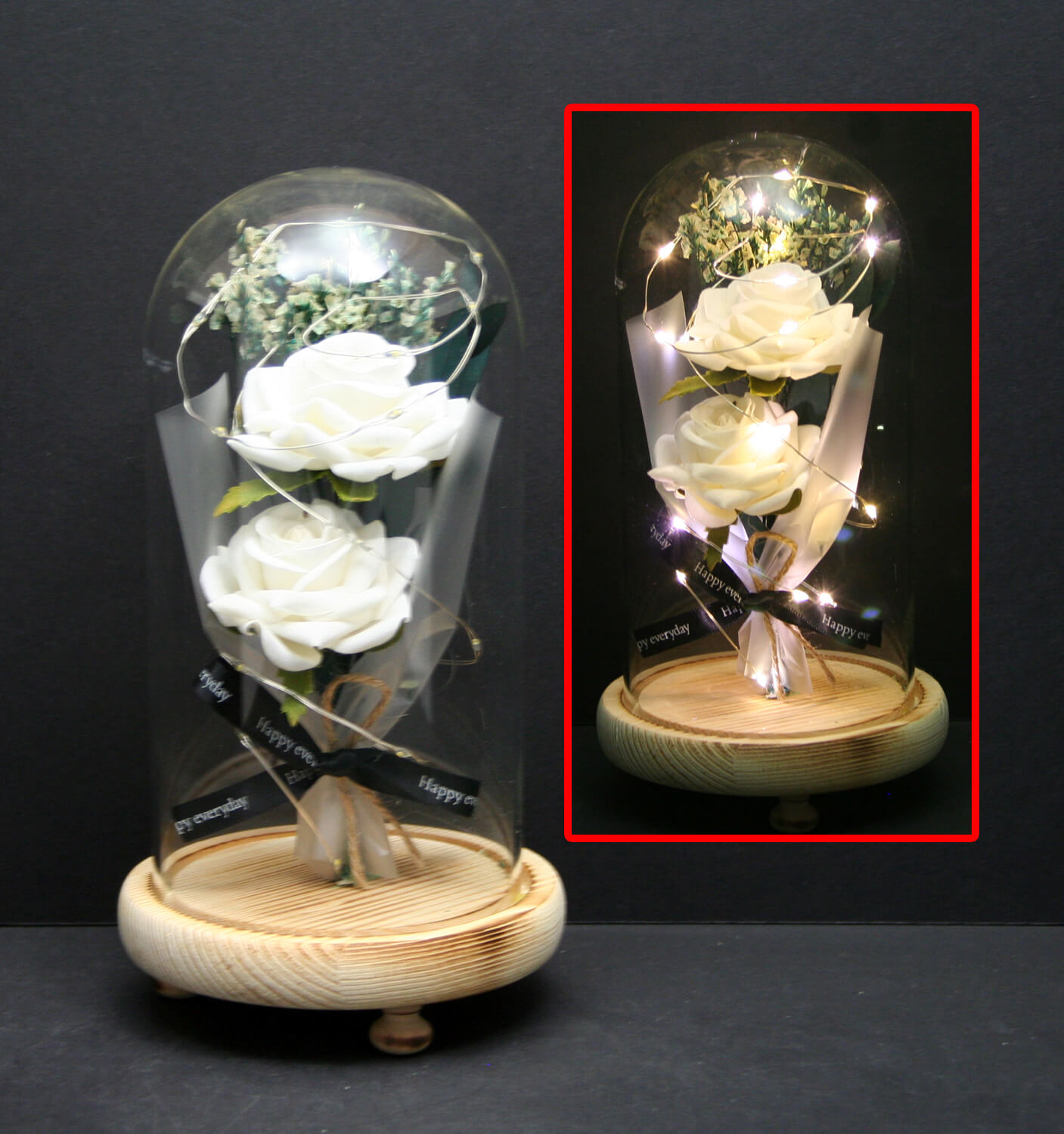
Regular maintenance ensures long-lasting performance and prevents system failures during important events. Following systematic maintenance procedures protects both investment and reputation.
Daily Care Routines
Inspect strips visually for damage, moisture, or loose connections before each use. Clean strip surfaces gently with dry brushes to remove dust or pollen that reduces light output. Check battery levels and connection security. Monitor for any unusual heat generation.
Weekly Deep Cleaning
Disconnect power and clean strips with slightly damp cloths to remove accumulated residue. Inspect adhesive backing for degradation and replace mounting hardware as needed. Test all control functions systematically. Check for any discolored or dimming LEDs.
Monthly System Checks
Measure voltage levels at strip endpoints to detect power supply degradation. Record operating hours for battery systems and plan replacement schedules. Update controller firmware if applicable. Inspect all wiring for wear or damage.
Seasonal Maintenance
Perform comprehensive system testing before peak seasons. Replace aging components proactively to avoid failures during busy periods. Update inventory of spare parts and consumables. Review installation documentation and update as needed.
Storage Procedures
Coil strips loosely to prevent kinking or stress fractures. Store in clean, dry environments away from extreme temperatures. Keep spare components and tools readily available for emergency repairs. Use moisture absorbers in storage containers.
Troubleshooting Common Issues
Dim sections often indicate voltage drop from long runs or poor connections. Flickering suggests loose wiring or failing power supplies. Color shifting in RGB systems may require recalibration or controller replacement. Dead sections usually indicate physical damage.
Professional Service Recommendations
Schedule annual professional inspections for complex installations. Maintain service contracts for critical applications. Document all maintenance activities for warranty and insurance purposes. Train multiple staff members on basic troubleshooting.
| Maintenance Task | Frequency | Tools Needed | Warning Signs |
|---|---|---|---|
| Visual inspection | Daily | Eyes only | Visible damage |
| Surface cleaning | Weekly | Soft brush | Dim output |
| Connection check | Weekly | Multimeter | Intermittent operation |
| Voltage testing | Monthly | Voltmeter | Dim endpoints |
| Storage inspection | Seasonal | None | Physical damage |
8. How Do You Calculate Power Requirements for Different Arrangement Sizes?
Accurate power calculations prevent system overloading and ensure reliable operation. Understanding electrical requirements helps select appropriate components and avoid costly mistakes.
Basic Power Calculation Methods
Multiply strip length by power consumption per meter to determine total wattage requirements. Add 20% safety margin for voltage variations and aging components. Consider efficiency losses in power supplies and controllers. Factor in dimming capabilities that can reduce actual consumption.
Voltage Drop Considerations
Longer strip runs experience voltage reduction that dims LEDs and affects color accuracy. Calculate voltage drop using resistance values and current draw. Use thicker wires or higher supply voltages for long installations. Inject power at multiple points for very long runs.
Multiple Strip Installations
Parallel connections maintain consistent voltage across all strips but require higher current capacity. Series connections reduce current but may create uneven brightness. Plan connections carefully for optimal performance. Consider using distribution amplifiers for complex layouts.
Battery Capacity Planning
Battery capacity measured in amp-hours determines operating time. Divide battery capacity by system current draw to estimate runtime. Cold temperatures and aging reduce actual capacity below rated specifications. Plan for 70-80% of rated capacity in real-world conditions.
Load Balancing Strategies
Distribute loads evenly across multiple power supplies to prevent overloading. Use separate circuits for different lighting zones. Consider power factor correction for large installations. Monitor actual consumption versus calculated values.
Efficiency Optimization Strategies
Dimming strips reduces power consumption significantly while maintaining adequate illumination. Efficient power supplies waste less energy as heat. Smart controllers can optimize power usage based on ambient conditions. LED strip efficiency varies with current level.
Future Expansion Planning
Size power systems for planned growth rather than just current needs. Install oversized conduits for future wiring additions. Document electrical loads for future reference. Consider modular systems that enable easy expansion.
| Calculation Factor | Formula | Units | Typical Values |
|---|---|---|---|
| Strip power | Length × W/m | Watts | 4.8-14.4W/m |
| Voltage drop | I × R × L | Volts | <0.5V acceptable |
| Battery runtime | Ah ÷ Current | Hours | 6-12h typical |
| Efficiency loss | Pin – Pout | Percent | 10-20% |
| Safety margin | Power × 1.2 | Watts | 20% recommended |
9. Which Safety Precautions Should You Follow When Using LED Strips with Flowers?
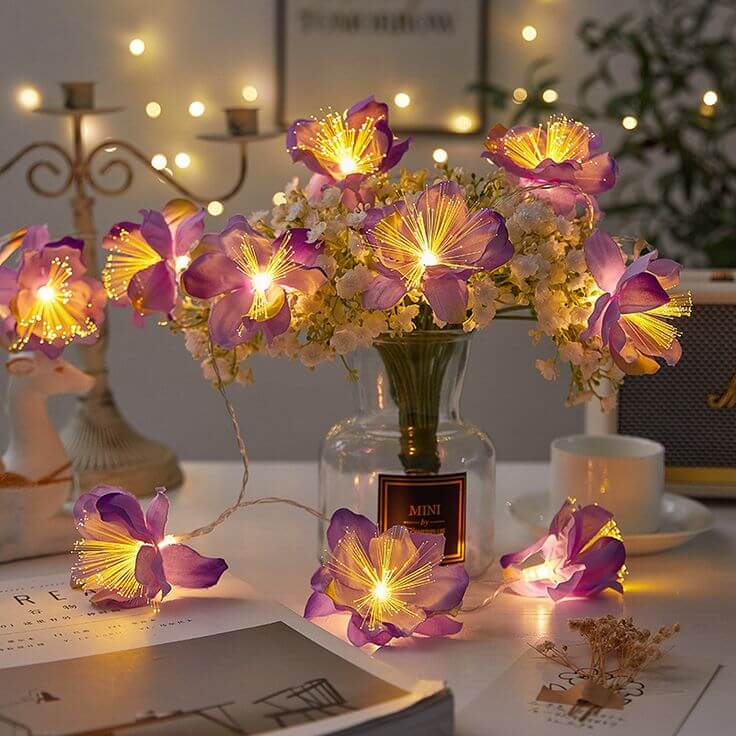
Safety considerations protect both users and flower arrangements from electrical hazards. Following established safety protocols prevents accidents and maintains professional standards.
Electrical Safety Fundamentals
Use only certified power supplies and controllers that meet local electrical codes. Install ground fault circuit interrupters (GFCI) for installations near water sources. Inspect all connections regularly for signs of wear or corrosion. Follow lockout/tagout procedures during maintenance.
Water Protection Measures
Select appropriate IP ratings for expected moisture exposure levels. Seal connections with waterproof materials even when using rated components. Position power supplies above potential water levels to prevent submersion. Use drip loops in wiring to direct water away from connections.
Fire Prevention Strategies
Avoid overloading circuits by calculating total power draw accurately. Use appropriate wire gauges for current levels to prevent overheating. Install heat-resistant barriers between strips and flammable materials. Monitor system temperatures during operation.
Chemical Compatibility Issues
Some flower preservatives or cleaning chemicals may damage strip coatings or connections. Test compatibility before full installation. Use chemical-resistant materials in professional florist environments. Maintain material safety data sheets for all chemicals used.
Personal Protection Equipment
Wear safety glasses when cutting or stripping wires. Use insulated tools when working with live circuits. Wear rubber gloves when working around water. Keep first aid supplies readily available.
Emergency Procedures
Develop shutdown procedures for various emergency scenarios. Train staff on proper disconnection methods and emergency contact information. Keep appropriate fire suppression equipment readily available. Post emergency procedures in visible locations.
Code Compliance Requirements
Research local electrical codes for temporary and permanent installations. Obtain permits when required for fixed installations. Use only UL-listed components for commercial applications. Document installations for inspection purposes.
| Safety Area | Key Precautions | Required Equipment | Emergency Response |
|---|---|---|---|
| Electrical | GFCI protection | Circuit breakers | Immediate shutoff |
| Water exposure | IP-rated components | Waterproof connectors | Disconnect power |
| Fire prevention | Proper wire sizing | Fire extinguisher | Evacuate area |
| Chemical safety | Compatible materials | Safety data sheets | Ventilate space |
| User training | Safety procedures | First aid kit | Contact emergency services |
10. What Creative Design Ideas Can Transform Flower Arrangements with LED Lighting?
Creative lighting applications push beyond basic illumination to create memorable artistic statements. Innovative techniques combine traditional floral design with modern lighting technology for stunning results.
Seasonal Theme Integration
Spring arrangements benefit from soft green accent lighting that mimics new growth. Summer displays use bright, cheerful colors that complement bold flower choices. Autumn themes incorporate warm amber tones that enhance harvest colors. Winter arrangements use cool blues and whites for elegant, frosty effects.
Movement and Animation Effects
Programmable controllers create gentle color transitions that simulate natural lighting changes throughout the day. Twinkling effects add magical sparkle to evening events. Slow fades between complementary colors maintain interest without distraction. Breathing effects create organic, living light patterns.
Multi-Level Lighting Design
Combine multiple strip locations at different heights to create depth and dimension. Use different color temperatures for various levels to establish visual hierarchy. Layer accent and ambient lighting for professional results. Create foreground and background lighting zones.
Interactive Lighting Systems
Sound-responsive controllers create dynamic displays that react to music or conversation. Motion sensors trigger lighting changes when guests approach arrangements. Touch-sensitive systems allow interactive color changes. Smartphone apps enable guest participation in lighting control.
Architectural Integration
Extend lighting beyond arrangements to illuminate surrounding architecture or furniture. Create visual connections between multiple arrangements using coordinated lighting schemes. Use ceiling or wall reflections to amplify lighting effects. Integrate with existing architectural lighting systems.
Themed Event Applications
Wedding ceremonies benefit from romantic warm white progression to celebration colors. Corporate events can incorporate company colors through RGB programming. Holiday displays use traditional color schemes with modern control capabilities. Garden parties combine natural and artificial lighting seamlessly.
Advanced Programming Techniques
Create time-based lighting shows that evolve throughout events. Program sunrise/sunset simulations for natural progression. Use astronomical clocks for seasonal adjustments. Develop signature lighting sequences for brand recognition.
| Design Concept | Technical Requirements | Best Applications | Complexity Level |
|---|---|---|---|
| Seasonal themes | Color-changing strips | Holiday events | Easy |
| Animation effects | Programmable controller | Entertainment venues | Medium |
| Multi-level design | Multiple strip zones | Large installations | Hard |
| Interactive systems | Sensor integration | Interactive displays | Expert |
| Architectural tie-in | Extended wiring | Permanent installations | Expert |
Conclusion
LED strip lights revolutionize flower arrangement presentation by providing versatile, efficient illumination that enhances natural beauty without compromising flower health. The key to success lies in understanding your specific needs and selecting appropriate components for each application. From basic single-color strips for wedding centerpieces to sophisticated RGB systems for dynamic displays, proper planning and installation create stunning results that captivate viewers and extend arrangement impact. Professional installation techniques, appropriate safety measures, and creative design applications transform ordinary floral displays into memorable artistic statements that showcase both natural beauty and technological innovation. Whether you’re a professional florist expanding service offerings or an enthusiast seeking to enhance personal arrangements, LED strip lighting opens unlimited creative possibilities while maintaining the timeless appeal of fresh flowers.
FAQ
Q1: What is the minimum LED strip length needed for a standard flower arrangement?
Most table centerpieces require 1-2 meters of LED strip for adequate coverage. Larger arrangements or multiple accent points may need 3-5 meters. Calculate approximately 0.5 meters per foot of arrangement diameter for even illumination.
Q2: How long do LED strips last in flower arrangement applications?
Quality LED strips typically operate for 25,000-50,000 hours under normal conditions. In flower applications with proper installation and maintenance, expect 3-5 years of reliable service. Battery-powered systems may require more frequent component replacement due to charge cycles.
Q3: Can LED strips damage flowers or accelerate wilting?
Properly installed LED strips generate minimal heat and will not damage flowers when positioned correctly. Maintain at least 2-3 inches distance from delicate petals. LED lighting actually helps preserve flowers compared to traditional hot bulbs that stress plants.
Q4: What happens if LED strips get wet during flower care?
Waterproof LED strips with appropriate IP ratings can handle normal flower care moisture without damage. Non-waterproof strips should be disconnected before watering or misting. Always use GFCI protection near water sources regardless of strip rating.
Q5: How much do professional LED strip lighting systems cost for flower arrangements?
Basic single-color systems start around $50-100 for small arrangements. Professional RGB systems with controllers range from $200-500 depending on length and features. Installation costs vary by complexity but typically add 50-100% to component costs for professional setup.
