
Selecting appropriate lighting solutions remains critical for electrical contractors and lighting professionals. Linear lights and profile lights represent two popular options with distinct characteristics, applications, and benefits. Many lighting professionals struggle with choosing between these two solutions, especially when both seem suitable for various projects. This technical comparison examines key differences, specifications, and optimal use cases for both lighting types to aid in your decision-making process.
Professional lighting choices impact energy consumption, maintenance costs, aesthetic appeal, and functional effectiveness. Looking to upgrade your lighting choices? This in-depth overview delivers the essential technical insights to guide you.
1. What are the fundamental differences between linear and profile light?

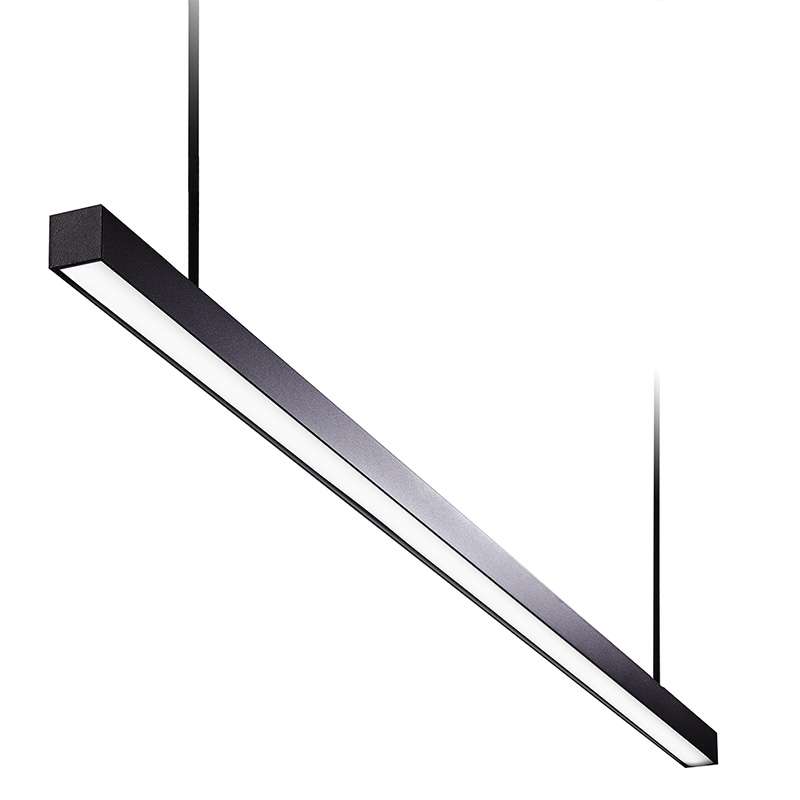
Linear lights and profile lights differ primarily in their construction, form factor, and mounting methods. Linear lights typically feature extended straight lighting fixtures with uniform light distribution along their length. Profile lights, sometimes called aluminum channel lights, incorporate LED strips within specialized aluminum extrusions with diffusers.
Basic Construction Differences
Linear lights often come as complete, factory-assembled units with integrated LEDs, housing, and power supply components. Their construction prioritizes direct installation without additional assembly requirements. Profile lights, however, consist of aluminum channels designed to house LED strip lights separately purchased and installed within the profile.
Here’s what many contractors miss: Profile lights offer more customization options while linear lights provide simpler installation. This fundamental difference affects everything from specification to maintenance approaches.
Form Factor Variations
Linear lights typically maintain consistent dimensions throughout their length with standardized end caps and mounting brackets. Most linear fixtures feature rectangular or square cross-sections with widths ranging from 1.5 to 4 inches depending on application requirements.
Profile lights showcase greater variety in cross-sectional shapes, available as surface-mounted, recessed, corner, or specialized architectural profiles. Their aluminum extrusions range from slim 8mm widths to broader 30mm+ channels depending on heat dissipation requirements and aesthetic considerations.
Light Distribution Characteristics
Linear lights typically produce directional or batwing light distribution patterns optimized for specific applications like task lighting or wall washing. Their light output comes factory-calibrated with specific beam angles.
Profile lights offer versatility through different diffuser options – clear, frosted, or specialized lenses that modify the LED strip’s natural output. This allows for post-purchase adjustments based on project requirements through diffuser selection.
| Feature | Linear Lights | Profile Lights |
| Construction | Factory-assembled complete units | Aluminum extrusions requiring LED strips |
| Customization | Limited to manufacturer specifications | High (LED type, color, diffuser options) |
| Installation Complexity | Moderate (single-piece mounting) | Higher (multiple component assembly) |
| Form Factor | Typically rectangular/consistent | Multiple cross-section options |
| Light Distribution | Fixed beam patterns | Variable through diffuser selection |
2. How do the technical specifications compare between linear and profile light?


Technical specifications reveal significant differences between linear and profile lighting systems. Understanding these specifications helps professionals select appropriate options for specific applications while meeting project requirements and industry standards.
Power Efficiency Metrics
Linear lights typically operate at 85-95 lumens per watt efficiency for commercial-grade products. Their integrated design allows manufacturers to optimize circuit boards and driver combinations for specific performance targets.
Profile lights depend entirely on the LED strip selected for installation, with efficiency ranging from 70-130 lumens per watt based on strip quality. Think about this: higher-quality LED strips installed in premium aluminum profiles often outperform mid-range linear fixtures while allowing future upgrades as LED technology advances.
Heat Management Capabilities
Linear lights incorporate built-in heat sinks or thermal management systems designed specifically for their LED configuration. Most commercial products feature aluminum or steel housings with thermal design limitations set during manufacturing.
Profile lights excel at heat dissipation through their aluminum extrusion design that functions as a passive heat sink. The separation between the LED strip and the aluminum channel creates effective thermal transfer pathways, particularly in profiles with larger surface areas or heat dissipation fins.
Voltage and Control Compatibility
Linear lights typically operate on standard line voltage (120-277V AC) with built-in drivers, though low-voltage options exist. Their control capabilities depend on factory-installed hardware with retrofit limitations for advanced control systems.
Profile lights offer broader voltage flexibility since LED strips come in 12V DC, 24V DC, and less commonly, direct AC variants. This allows integration with various control systems, dimmers, and smart home protocols through appropriate drivers and controllers selected during installation.
Professional lighting projects demand attention to these specifications for achieving optimal performance and longevity. Don’t overlook this fact: While linear lights simplify specification through comprehensive datasheets, profile systems require separate specification for profiles, LED strips, diffusers, and power supplies.
3. What installation considerations affect the choice between linear and profile light?

Installation of LED linear light require significant project timelines, labor costs, and long-term maintenance. The differences between linear and profile light installation processes influence which solution works best for particular applications and installer capabilities.
Mounting Methods and Hardware Requirements
Linear lights typically mount using brackets, pendants, or direct ceiling/wall attachment methods with manufacturer-supplied hardware. Their installation requires following specific mounting instructions with pre-determined fixing points, often at 2-3 foot intervals for longer fixtures.
Profile lights offer multiple mounting options based on profile design – surface mounted with clips, recessed into drywall/ceilings, or installed in custom architectural features. Here’s something most manufacturers won’t tell you: Profile installations require more accessories than typically advertised, including mounting clips, end caps, power feed connections, and often custom-cut lengths.
Wiring and Connection Requirements
Linear lights feature factory-sealed connections with standard electrical knockouts for power supply. Most commercial products include internal drivers requiring only line voltage connections to junction boxes or conduit systems.
Profile lights demand more extensive wiring considerations, requiring low-voltage power supplies installation, voltage drop calculations for longer runs, and proper wire gauge selection. Their connections between profiles often need soldering, connectors, or careful wire management systems hidden within the installation.
Tools and Expertise Needed
Linear light installation typically requires basic electrical tools – wire strippers, screwdrivers, drills, and measuring tools. Most installations follow straightforward processes achievable by general electrical contractors.
Profile light installation demands additional specialized tools including aluminum cutting equipment for custom lengths, soldering irons for connections, and potentially programming interfaces for advanced control systems. The multi-component nature of profiles requires more technical expertise, particularly for seamless continuous runs.
| Installation Factor | Linear Lights | Profile Lights |
| Average Installation Time | 15-30 minutes per fixture | 45-90 minutes per section |
| Required Tools | Basic electrical tools | Basic electrical + specialized cutting tools |
| Connection Complexity | Low (factory-terminated) | Moderate to High (field connections) |
| Typical Installer | General electrical contractor | Specialized lighting technician |
| Field Modifications | Limited | Extensive |
Installation complexity affects project planning and budgeting significantly. Consider this practical reality: Linear lights might cost more upfront but require less installation labor, while profile systems may have lower material costs but higher labor requirements.
4. How do application scenarios differ for linear and profile light?


Different lighting applications demand specific performance characteristics that either linear or profile lights might better provide. Understanding typical application scenarios helps determine which lighting system delivers optimal results for particular environments and requirements.
Commercial Office Applications
Linear lights dominate suspended ceiling applications in commercial spaces, providing standardized illumination with predictable light levels. Their UL/ETL listings specifically address commercial building code requirements with appropriate emergency backup options and integration with building management systems.
Profile lights excel in custom architectural features within office environments – reception desk accents, wall washing, indirect cove lighting, and feature walls. Their flexible installation options allow designers to highlight structural elements while providing supplementary illumination rather than primary task lighting.
Retail Display Applications
Linear lights provide consistent illumination for general retail areas and shelf lighting with standardized light output and beam angles. Many retail applications benefit from their higher lumen packages and specialized optics designed for product highlighting.
What retail designers appreciate most is profile lights’ ability to integrate into shelving units, display cases, and custom fixtures with minimal visible hardware. Their slim form factors and custom length capabilities allow seamless integration into merchandising systems for enhanced product presentation without visible light sources.
Residential Interior Applications
Linear lights typically serve functional residential spaces including kitchens, home offices, and utility areas where standardized output and simple installation take priority over customization. Their all-in-one design appeals to residential contractors seeking rapid installation without specialized tools.
Profile lights transform residential spaces through under-cabinet lighting, cove installations, stair lighting, and architectural accents. Their discrete appearance when properly installed creates sophisticated lighting effects without visible fixtures, elevating residential design with professional-grade illumination systems.
Each application scenario presents unique requirements that favor either linear or profile systems. The key question becomes: Does the application prioritize standardization and simplicity, or customization and aesthetic integration?
5. What lighting performance differences exist between linear and profile light?
Lighting performance metrics help quantify the visible differences between linear and profile lighting systems. These measurements affect visual comfort, energy efficiency, and the ability to meet specific lighting requirements for different spaces and tasks.
Color Rendering and Temperature Options
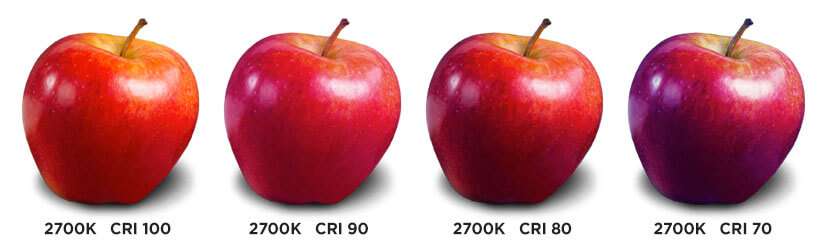
Linear lights typically offer standardized color temperatures (3000K, 3500K, 4000K, 5000K) with color rendering indices (CRI) ranging from 80-90+ depending on model and price point. Manufacturers calibrate these specifications during production with minimal batch-to-batch variation.
Profile lights provide broader customization through LED strip selection, including specialized high-CRI strips (95+), tunable white options (1800K-6500K), and even color-changing RGB/RGBW capabilities. Few people realize that profile systems allow future updates to color performance without replacing the entire fixture – simply changing the LED strip provides new capabilities.
Light Distribution Patterns

Linear lights produce specific light distribution patterns determined by their optical design – typically wide flood, narrow flood, asymmetric wall-wash, or batwing distributions. These fixed optical systems deliver predictable performance for lighting calculations and planning.
Profile lights modify light distribution through diffuser options – opal diffusers create soft, uniform illumination while clear or prismatic lenses maintain more directional output. Additional accessories like louvers or honeycomb baffles further customize light control for specific applications.
Optical Control and Glare Management

Linear lights incorporate factory-designed optical systems with louvers, baffles, or lenses that control light direction and reduce glare. Their unified design ensures coordinated optical and LED performance with UGR (Unified Glare Rating) specifications available for commercial products.
Profile lights require careful component matching between LED strips and diffusers to manage glare effectively. While offering flexibility, this requires more expertise during specification to ensure that LED spacing, diffuser materials, and mounting locations work together for appropriate glare control.
| Performance Metric | Linear Lights | Profile Lights |
| CRI Range | 80-92 typical | 70-98 depending on LED selection |
| CCT Options | Fixed (standard increments) | Fixed or tunable depending on LED |
| Beam Angle Control | Factory-set optics | Diffuser-dependent |
| Light Output Consistency | High (factory calibrated) | Variable (installation dependent) |
| Glare Control Options | Integrated optical systems | Diffuser and accessory dependent |
6. How do cost factors compare between linear and profile light?

Cost analysis extends beyond initial purchase price to include installation expenses, operational costs, and long-term maintenance considerations. Understanding these factors helps project managers and specifiers make financially sound lighting decisions aligned with budget constraints.
Initial Product Investment
Linear lights typically require higher upfront investment with complete fixture costs ranging from $40-200 per linear foot depending on performance specifications and features. Their all-in-one nature means purchasing a complete system with all necessary components included.
Profile lights involve component-based pricing with aluminum channels ($8-30 per foot), LED strips ($5-40 per foot), power supplies, and accessories purchased separately. This creates an interesting situation where basic profile systems can cost less initially than comparable linear fixtures, but premium configurations often exceed linear fixture prices once all components are included.
Installation Labor Costs
Linear lights typically require 15-30 minutes per fixture for installation, with labor rates for electrical contractors ranging from $75-125 per hour in most markets. Their simplified mounting and connection systems reduce overall installation time.
Profile lights generally demand 45-90 minutes per section for complete installation including profile mounting, LED strip installation, diffuser attachment, and power connection. The multi-component nature increases labor requirements, potentially doubling installation costs compared to linear systems.
Long-term Operational Expenses
Linear lights operate as sealed systems with limited component replacement options. When LEDs or drivers fail, entire fixture replacement often becomes necessary, though some modular systems allow driver replacement. Typical warranty periods range from 3-5 years with expected lifespans of 50,000+ hours.
Profile lights offer component-level replaceability, allowing LED strip replacement without disturbing the installed profile. Smart facility managers recognize that this modularity often reduces lifetime costs despite higher initial installation expenses, particularly in environments where lighting operates continuously.
The cost calculation ultimately depends on project timeframe, maintenance capabilities, and installation constraints. Short-term projects may benefit from linear lights’ simplified installation, while permanent architectural installations often justify profile systems’ long-term flexibility and replaceability.
7. What design flexibility differences exist between linear and profile light?


Design flexibility influences how lighting systems integrate with architectural elements and adapt to changing requirements. The structural differences between linear and profile lights create distinct capabilities and limitations that impact aesthetic and functional outcomes.
Physical Form Adaptability
Linear lights maintain fixed physical dimensions with limited adaptability to irregular spaces. Most products come in standard lengths (2′, 4′, 8′) with some manufacturers offering custom lengths for specific projects, though usually with longer lead times and minimum order quantities.
Profile lights excel at adaptation to complex spaces with field-cuttable aluminum extrusions that accommodate precise measurements. This capability transforms challenging architectural details into lighting opportunities – curved walls, irregular recesses, and custom millwork become perfect integration points for profile systems.
Connection and Configuration Options
Linear lights typically connect through standard joining kits for continuous runs with visible seams at connection points. Their fixed connector positions limit configuration options to straight lines and 90-degree turns using specialized corner connectors from the same manufacturer.
Profile lights allow custom angle cuts, mitered corners, and creative patterns through field fabrication. Advanced installations create seamless illuminated shapes including circles, polygons, and custom patterns without visible breaks in the light output – a significant advantage for architectural statement pieces.
Integration with Materials and Surfaces
Linear lights mount onto surfaces or suspend from ceilings as visible elements designed to complement rather than disappear into architecture. Their presence becomes part of the design statement with finish options typically limited to white, black, or aluminum.
Profile lights integrate directly into materials including millwork, drywall, stone, and cabinetry through recessed mounting options. What designers appreciate most is their ability to create illuminated features that appear as architectural elements rather than applied fixtures, with only a subtle light aperture visible after installation.
| Design Factor | Linear Lights | Profile Lights |
| Custom Lengths | Limited (factory options) | Unlimited (field-cuttable) |
| Shape Possibilities | Primarily straight runs | Complex patterns possible |
| Finish Options | Manufacturer-specific | Multiple anodizing/finish options |
| Architectural Integration | Surface-mounted/suspended | Surface/recessed/integrated |
| Visual Presence | Fixture-forward design | Light-forward design |
8. How do maintenance requirements differ between linear and profile light?
Maintenance considerations affect long-term ownership costs and operational reliability. The structural and component differences between linear and profile lighting systems create distinct maintenance profiles that facility managers should understand before selection.
Cleaning and Dust Management
Linear lights typically feature sealed or semi-sealed designs that accumulate dust primarily on external surfaces. Their cleaning process involves standard fixture maintenance – wiping external surfaces with appropriate cleaners without accessing internal components.
Profile lights with removable diffusers require more thorough cleaning regimens. What many specifications overlook is the need for periodic diffuser removal and cleaning of both the diffuser and the internal channel surfaces where dust can accumulate over time, particularly in open-air environments.
Component Replacement Procedures
Linear lights generally require complete fixture replacement when critical components fail, though some commercial products feature replaceable drivers accessed through service panels. Most manufacturers design these systems as sealed units without field-serviceable LED components.
Profile lights facilitate component-level maintenance with removable diffusers providing access to LED strips for replacement or upgrade. This modularity allows targeted repairs addressing only failed components rather than complete system replacement, though it requires more technical skill for proper execution.
Long-term Parts Availability
Linear lights depend on manufacturer-specific replacement parts with availability typically guaranteed through warranty periods (3-5 years) but potentially problematic beyond that timeframe. Discontinued models may leave limited service options once inventory depletes.
Profile lights utilize standardized components with aluminum extrusions remaining consistent over longer production periods. Even when specific profiles discontinue, compatible LED strips remain available due to industry standardization. This provides a key advantage, allowing today’s systems to be maintained with future-generation LEDs that offer improved efficiency and features.
The maintenance approach affects staffing requirements and operational planning. Facilities with in-house maintenance teams capable of component-level repairs often prefer profile systems, while those relying on contracted maintenance services may find linear fixtures’ simplicity advantageous despite potentially higher replacement costs.
9. What control system compatibility factors should be considered for linear and profile light?
Lighting control capabilities dramatically impact energy efficiency, user experience, and system functionality. The electrical architecture differences between linear and profile lighting systems create distinct control capabilities and limitations worth understanding before specification.
Dimming Protocol Support
Linear lights typically support standard commercial dimming protocols including 0-10V, DALI, or phase dimming depending on their integrated drivers. Manufacturers specify compatible protocols with performance guaranteed through factory testing and certification.
Profile lights offer wider protocol flexibility through separate driver selection appropriate for the selected LED strips and control system. The real advantage comes when projects require mixing multiple protocols or future-proofing for system upgrades – profile systems can accommodate protocol changes through driver replacement without disturbing the installed lighting.
Smart Control Integration
Linear lights increasingly feature built-in intelligence with occupancy sensors, daylight harvesting, or wireless connectivity options integrated directly into fixtures. These factory-integrated solutions provide reliable performance but limit future adaptability to evolving technologies.
Profile lights work with external control systems that connect to their drivers rather than the fixtures themselves. This separation allows easier technology upgrades as smart building systems evolve without requiring fixture replacement – simply updating controllers or drivers implements new capabilities.
Control Granularity Options
Linear lights typically function as single control zones with entire fixtures operating at consistent output levels. Some advanced products offer multi-circuit options for uplight/downlight independent control, but generally maintain fixture-level rather than segment-level control.
Profile lights enable more granular control through LED strip segmentation and multiple power feeds. This creates fascinating possibilities where different sections of a continuous light run respond to different controllers for dynamic lighting effects or optimized energy management in large spaces.
| Control Aspect | Linear Lights | Profile Lights |
| Dimming Range | Typically 10-100% | 1-100% with appropriate drivers |
| Control Protocol Options | Fixed per fixture model | Flexible through driver selection |
| Color Tuning Capability | Limited to specific models | Available through RGBW/tunable strips |
| Control Zoning | Fixture-level zoning | Segment-level zoning possible |
| Future Protocol Adaptation | Limited (requires replacement) | Possible through driver updates |
10. How should professionals select between linear and profile light?

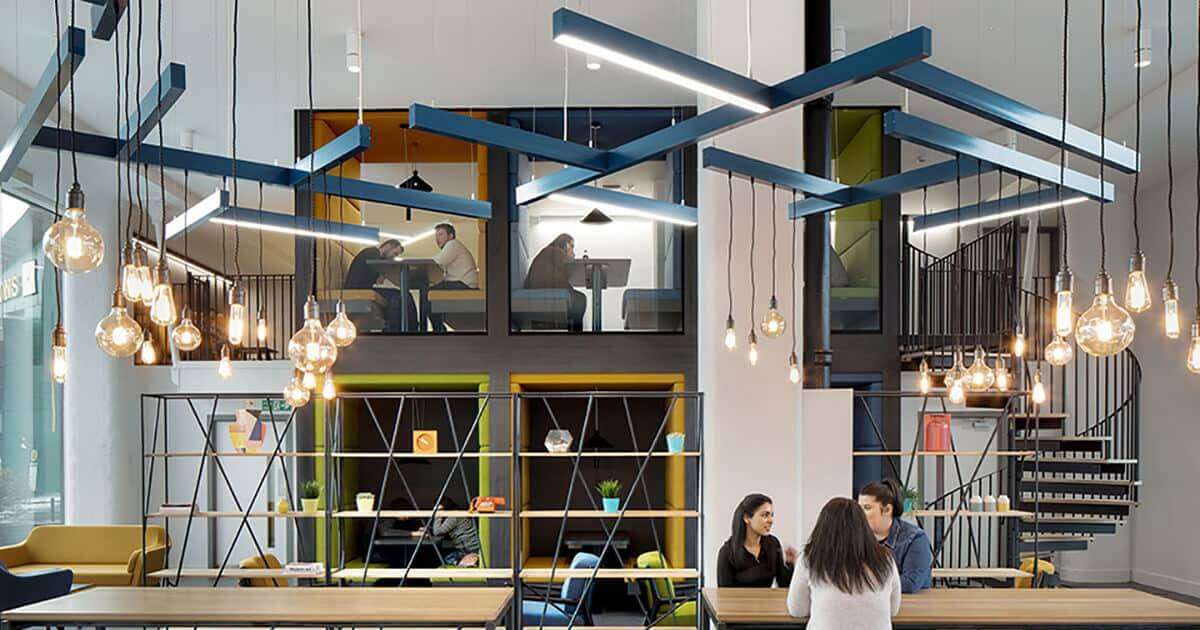
Selection criteria help lighting professionals make informed decisions aligned with project requirements. The distinct advantages of both linear and profile lighting systems demand systematic evaluation based on project priorities and constraints.
Project Timeline Considerations
Linear lights support accelerated project timelines with ready-to-install products requiring minimal on-site preparation. Their standardization reduces design time and installation complexity, making them ideal for projects with tight completion deadlines.
Profile lights typically extend design and installation timelines due to component specification, ordering from potentially multiple suppliers, and more complex installation procedures. Consider this timing reality: Profile systems might add 2-3 weeks to project schedules through additional design, procurement, and installation phases.
Budget Allocation Factors
Linear lights concentrate costs in product procurement with lower installation expenses. They suit projects where material budgets exceed labor allocations or where simplified specification reduces soft costs associated with design time and coordination.
Profile lights shift budget emphasis toward installation labor while potentially reducing material costs for basic systems. Projects with skilled labor availability and budget flexibility often accommodate profile systems despite higher installation complexity.
Future Adaptability Requirements
Linear lights serve best in environments with stable, long-term lighting requirements where future changes appear unlikely. Their fixed performance characteristics provide consistent results for standardized applications.
Profile lights excel in evolving environments requiring periodic updates or customization. Smart facility planning recognizes that spaces undergoing regular renovation or repurposing benefit from lighting systems capable of component-level updates without complete replacement.
The selection process should weigh immediate project constraints against long-term operational needs. Spaces with architectural significance, custom design elements, or frequent reconfiguration typically justify profile lighting’s additional complexity, while standardized commercial spaces often benefit from linear lighting’s consistency and simplicity.
FAQ Section
Q1: What is the primary difference between linear and profile light?
Linear lights are factory-assembled complete fixtures with integrated LEDs and drivers, while profile lights consist of aluminum extrusions designed to house separately purchased LED strips. This fundamental difference affects customization options, installation processes, and long-term maintenance approaches.
Q2: How do installation requirements compare between linear and profile light?
Linear lights typically require 15-30 minutes per fixture with standard electrical tools and connections. Profile lights demand 45-90 minutes per section with additional specialized tools for cutting aluminum and making field connections. The installation complexity difference significantly impacts project timelines and labor budgets.
Q3: Which among linear and profile light offers better heat management?
Profile lights generally provide superior heat management through their aluminum extrusion design functioning as a passive heat sink. The separation between LED strips and aluminum channels creates effective thermal transfer pathways, particularly in profiles with larger surface areas or heat dissipation fins, potentially extending LED lifespan compared to compact linear fixtures.
Q4: Can linear and profile light be integrated into the same control system?
Yes, both lighting types can work within unified control systems, though they may require different interface hardware. Linear lights typically connect through their integrated drivers using standard commercial protocols (0-10V, DALI), while profile lights connect through separately selected LED drivers that must match both the control system protocol and LED strip requirements.
Q5: Which option provides better long-term value for commercial projects for linear and profile light?
Long-term value depends on specific project factors including anticipated operational lifespan, renovation frequency, and maintenance capabilities. Linear lights typically offer lower initial installation costs and simplified maintenance but limited upgradeability. Profile lights provide component-level replaceability and greater adaptation to changing requirements but demand higher installation costs and more technical maintenance procedures.
Understanding the technical differences between linear lights and profile lights helps professional lighting designers and contractors make informed decisions aligned with specific project requirements. Both solutions offer distinct advantages within appropriate applications, with selection criteria focusing on installation constraints, performance requirements, aesthetic goals, and long-term operational considerations. The optimal choice ultimately depends on balancing immediate project parameters against anticipated future needs within available budget constraints.
