
Struggling with exposed LED strip installations that look unprofessional or fail prematurely? Many lighting professionals face challenges with heat management, light diffusion, and protection of their LED installations—resulting in decreased lifespan and suboptimal lighting effects. These are common concerns when asking, what are LED aluminum profiles used for in professional lighting setups.
The solution is simpler than you might think. LED aluminum profiles provide a professional housing system that not only enhances the appearance of strip lighting but also significantly extends its operational life through superior heat dissipation and environmental protection.
This comprehensive guide examines LED aluminum profiles from every angle – their construction, types, applications, installation methods, and selection criteria – providing you with the knowledge to optimize your lighting projects and deliver professional results that outperform and outlast basic strip installations.
1. What Are LED Aluminum Profiles?

LED aluminum profiles, also known as LED channels or extrusions, are specially designed aluminum housings that protect and enhance LED strip lighting systems. This is where function meets form – these profiles combine structural support with aesthetic design to transform raw LED strips into professional lighting fixtures.
At their core, LED aluminum profiles consist of three main components:
- The aluminum channel or housing (usually made from 6063-grade aluminum)
- A diffuser cover (typically made from polycarbonate or PMMA)
- End caps and mounting accessories
The aluminum body serves multiple critical functions beyond mere housing. It acts as a heat sink, drawing thermal energy away from the LED components. This heat management role of aluminum channel significantly impacts the longevity of LED installations such as LED strips, often extending their operational life by 30-50% compared to non-housed installations.
Structure and Components

Each component of an LED aluminum profile serves a specific purpose:
- Aluminum Channel: Provides structural support, heat dissipation, and protection
- Diffuser: Eliminates visible LED dots, creating uniform light distribution
- End Caps: Seal profile ends for a finished appearance and additional protection
- Mounting Clips/Brackets: Enable secure installation on various surfaces
| Component | Material | Primary Function |
| Channel/Housing | 6063 Aluminum Alloy | Structural support, heat dissipation, protection |
| Diffuser | Polycarbonate (PC) or PMMA | Light diffusion, LED protection, dust resistance |
| End Caps | ABS Plastic or Aluminum | Enclosure completion, protection from dust/debris |
| Mounting Hardware | Various | Secure installation to different surfaces |
Modern LED aluminum profiles come in various finishes, with anodized aluminum being the most common due to its durability and resistance to corrosion. Standard LED profile colors include silver, black, and white, though custom finishes are available for specialized applications.
2. What Types of LED Aluminum Profiles Are Available?

The market offers a wide variety of LED aluminum profile types, each designed for specific applications and installation requirements. Selecting the right profile type makes all the difference between a mediocre lighting installation and one that perfectly complements the space while delivering optimal illumination.
By Mounting Method
LED aluminum profiles are categorized first by their mounting approach:
- Surface-mounted profiles – Attach directly to walls, ceilings, or other flat surfaces
- Recessed profiles – Installed flush within walls, ceilings, or furniture for a seamless appearance
- Suspended profiles – Hang from ceilings via cables or rods for pendant-style lighting
- Corner profiles – Designed specifically for installation at 30°, 45°, or 90° angles
- Flexible profiles – Allow for curved or non-linear installations
| Profile Type | Typical Width Range | Best Applications |
| Surface-mounted | 7-25mm | Under-cabinet lighting, display cases, accent lighting |
| Recessed | 8-30mm | Ceilings, walls, furniture integration |
| Corner | 10-20mm | Wall/ceiling junctions, stair lighting |
| Suspended | 15-50mm | Office lighting, retail spaces, dining areas |
| Flexible | 8-15mm | Curved surfaces, architectural features |
By Application
Profiles are also categorized based on their intended application:
- Standard profiles – General-purpose housings for most indoor applications
- High-power profiles – Wider channels with enhanced heat dissipation for higher-wattage strips
- Waterproof profiles – Sealed designs with IP65-IP68 ratings for wet environments
- Architectural profiles – Premium designs for visible installation in high-end environments
- Specialized profiles – Task-specific designs for stairs, shelving, signage, etc.
Here’s something many don’t consider: The diffuser type significantly impacts the final lighting effect. Clear diffusers maximize light output but may show individual LED points, while frosted or opal diffusers create smooth, homogeneous light at the cost of some luminosity (typically 15-30% reduction).
3. How Are LED Aluminum Profiles Manufactured?

The manufacturing process of LED aluminum profiles combines precision engineering with material science to create products that balance functionality and aesthetics. The quality of this process directly impacts performance – affecting everything from heat dissipation capacity to the structural integrity of the final product.
Aluminum Extrusion Process
The core manufacturing method for LED profiles is aluminum extrusion, which involves:
- Material Selection: Most manufacturers use 6063-T5 aluminum alloy for its excellent balance of strength, extrudability, and corrosion resistance.
- Billet Preparation: Aluminum is heated to 450-500°C (842-932°F) until malleable.
- Extrusion: The heated aluminum is forced through a precision die that shapes it into the desired profile cross-section.
- Cooling: The extruded profile is cooled in a controlled environment to maintain dimensional stability.
- Cutting: Profiles are cut to standard lengths (typically 1m, 2m, or 3m).
- Surface Treatment: Anodizing or powder coating is applied for protection and aesthetics.
| Manufacturing Stage | Process Details | Quality Impact |
| Die Design | Precision engineering of extrusion dies | Determines dimensional accuracy and surface finish |
| Alloy Selection | 6063-T5 aluminum most common | Affects strength, thermal conductivity, and weight |
| Surface Treatment | Anodizing (10-25μm thickness) | Determines corrosion resistance and appearance |
| Quality Control | Dimensional and surface inspection | Ensures consistent product performance |
Diffuser Production
The diffuser component typically undergoes a separate manufacturing process:
- Material Selection: Either polycarbonate (PC) for durability or PMMA (acrylic) for superior light transmission
- Extrusion: Similar to the aluminum process but at lower temperatures
- Surface Treatment: Application of frosting, opalizing, or specialized diffusion patterns
- Cutting and Quality Control: Precision cutting to match aluminum profile lengths
What many manufacturers won’t tell you is that the quality of the diffuser material significantly impacts not just light quality but also the long-term performance of the profile. Lower-quality diffusers tend to yellow or become brittle when exposed to LED heat over time.
4. Why Use LED Aluminum Profiles Instead of Bare LED Strips?

The decision to use LED aluminum profiles rather than installing bare LED strips brings numerous advantages that justify the additional investment. The benefits extend far beyond mere aesthetics and actually impact the fundamental performance and longevity of your lighting installation.
Enhanced Heat Management
Perhaps the most significant technical advantage is thermal management:
- LED strips generate heat that, if not properly dissipated, significantly reduces lifespan
- Aluminum profiles act as heat sinks, drawing thermal energy away from LED components
- Tests show operating temperature reductions of 15-30°C compared to non-housed installations
- Lower operating temperatures can extend LED lifespan by 30-50%
| Benefit Category | Without Profile | With Aluminum Profile |
| Heat Management | Poor – heat trapped at LED junction | Excellent – aluminum dissipates heat effectively |
| Light Quality | Visible LED dots, potential glare | Uniform light distribution, reduced glare |
| Physical Protection | Exposed to damage, dust, moisture | Protected from physical damage and elements |
| Average Lifespan | 15,000-25,000 hours | 30,000-50,000 hours |
Professional Aesthetics and Light Quality
The visual benefits of using profiles include:
- Diffusers eliminate individual LED dots for a continuous light line
- Reduced glare for improved visual comfort
- Clean, finished appearance that integrates with architectural elements
- Precise light direction for task or accent lighting purposes
- Enhanced color mixing for RGB/RGBW applications
What makes the real difference is how aluminum profiles transform lighting from a purely functional element into an architectural feature. The clean lines and professional finish elevate any installation from basic illumination to a design statement.
Protection and Durability
Additional practical advantages include:
- Physical protection from impact, dust, and moisture
- UV protection preventing yellowing of PCB and components
- Easier cleaning and maintenance
- Secure mounting options for various surfaces
- Professional cable management
5. What Are the Key Applications for LED Aluminum Profiles?

LED aluminum profiles find applications across diverse environments, from residential spaces to commercial buildings and industrial facilities. Their versatility is remarkable, allowing for creative lighting solutions that blend functional illumination with architectural enhancement.
Commercial Applications
In commercial environments, LED aluminum profiles excel in several areas:
- Retail Displays: Highlighting merchandise with focused, high-CRI lighting
- Office Lighting: Linear general illumination that reduces glare and improves workplace comfort
- Hospitality: Creating ambiance in hotels, restaurants, and entertainment venues
- Healthcare: Clean, easy-to-maintain lighting for medical facilities
- Commercial Signage: Illuminating wayfinding elements and brand messaging
| Industry Sector | Common Profile Types Used | Typical Applications |
| Retail | Surface, recessed, shelf | Display cases, shelf lighting, accent walls |
| Hospitality | Recessed, corner, cove | Indirect lighting, bar counters, walkways |
| Corporate | Suspended, recessed | Office workspaces, conference rooms |
| Industrial | High-power, waterproof | Machine illumination, safety lighting |
Architectural Lighting
Architects and designers leverage LED aluminum profiles for:
- Cove Lighting: Creating indirect illumination from concealed positions
- Wall Washing: Even illumination of vertical surfaces
- Feature Highlighting: Emphasizing architectural elements
- Dynamic Facades: Illuminating building exteriors
- Pathway Marking: Safety and wayfinding in public spaces
The real game-changer in architectural applications is how profiles allow lighting to become integrated with structure rather than appearing as an afterthought. This integration creates clean lines and minimalist aesthetics that contemporary architecture demands.
Specialized Applications
Beyond standard uses, LED aluminum profiles serve unique purposes:
- Museum Display Lighting: Precision illumination with minimal UV/IR radiation
- Underwater Applications: IP68-rated profiles for pools and water features
- Transportation: Vibration-resistant lighting for vehicles and vessels
- Horticultural Lighting: Specialized growing environments
- Hazardous Locations: Explosion-proof rated profiles for industrial settings
6. How Do You Select the Right LED Aluminum Profile?
Selecting the appropriate LED aluminum profile for your project requires consideration of multiple factors including technical specifications, installation environment, and aesthetic requirements. Making the right choice early saves significant headaches later, preventing issues with fit, performance, and appearance.
Technical Compatibility
Begin with the technical requirements of your installation:
- LED Strip Dimensions: The profile must accommodate your LED strip width (typically 8mm, 10mm, or 12mm)
- Power Density: Higher wattage strips require profiles with better heat dissipation
- IP Rating Requirements: Match the profile’s ingress protection to the environment
- Beam Angle Needs: Different diffusers and profile shapes create different light distribution patterns
- Connectivity: Consider how power and control wiring will route through or alongside the profile
| Selection Factor | Considerations | Common Mistakes |
| Physical Dimensions | LED strip width, PCB thickness, height constraints | Selecting profiles too narrow for strip width |
| Heat Dissipation | LED wattage, ambient temperature, airflow | Insufficient heat management for high-power strips |
| Mounting Method | Surface material, accessibility, appearance | Choosing incompatible mounting for the surface |
| Optical Properties | Diffuser type, beam angle, light effect | Not considering diffuser impact on light output |
Installation Environment
The installation location significantly impacts profile selection:
- Moisture Exposure: Bathrooms, kitchens, and outdoor areas require higher IP-rated profiles
- Temperature Fluctuations: Consider thermal expansion in environments with wide temperature variations
- Physical Access: Some installations benefit from profiles with tool-free access for maintenance
- Surface Material: Different mounting methods work better with specific surface materials
- Regulatory Requirements: Certain environments have specific fire rating or safety requirements
A critical detail often overlooked is the coefficient of thermal expansion for aluminum. In installations longer than 2 meters, expansion gaps or specialized connectors may be necessary to prevent buckling or separation as the material expands and contracts with temperature changes.
Aesthetic Considerations
The visual aspects of profile selection include:
- Profile Finish: Anodized silver, black, white, or custom colors
- Visibility: Whether the profile should be a visible design element or concealed
- Light Effect: Direct illumination, indirect glow, wall-washing, etc.
- Architectural Integration: How the profile relates to other building elements
- Diffuser Options: Clear, frosted, opal, or specialized lens effects
7. What Installation Methods Work Best for LED Aluminum Profiles?
Proper installation of LED aluminum profiles ensures optimal performance, longevity, and aesthetic results. Installation methods vary significantly based on the profile type, mounting surface, and specific application requirements.
Surface Mounting
For direct attachment to walls, ceilings, or furniture:
- Preparation: Measure and mark the installation location precisely
- Mounting Clips: Attach mounting clips at recommended intervals (typically 50-80cm)
- Profile Placement: Snap the aluminum channel into the mounting clips
- LED Installation: Clean the LED strip channel interior and install the LED strip
- Wiring: Route power connections through end caps or pre-drilled holes
- Diffuser and End Caps: Install the diffuser and secure end caps
| Installation Method | Best Surfaces | Tools Required |
| Clip Mounting | Drywall, wood, concrete | Drill, screwdriver, measuring tape, level |
| Adhesive Mounting | Smooth surfaces, temporary installations | Surface cleaner, tape measure, cutting tool |
| Magnet Mounting | Metal surfaces, adjustable positions | Measuring tape, marking tool |
| Suspension System | Open ceilings, high ceilings | Drill, wire cutters, level, height gauge |
Recessed Installation
For flush-mounted applications:
- Channel Preparation: Create a recessed channel in the mounting surface
- Wiring Preparation: Route power supply wiring before profile installation
- Test Fit: Ensure the profile fits properly in the recessed channel
- Secure Profile: Use appropriate adhesive or mechanical fasteners
- LED Installation: Install LED strip and connect wiring
- Finishing: Apply diffuser and end caps
An important detail many installers miss is providing adequate depth in recessed installations. The channel must be deep enough to accommodate not just the profile height but also any minimum bend radius for the LED strip and wiring connections.
Installation Best Practices
Regardless of mounting method, follow these guidelines:
- Clean Thoroughly: Ensure all surfaces are free of dust and oils
- Measure Twice: Precise measurements prevent alignment issues
- Test Before Finalizing: Connect and test LED function before completing installation
- Mind Expansion Gaps: Leave small gaps between profile sections for thermal expansion
- Consider Access: Plan for future maintenance access when possible
- Protect Wiring: Use grommets or bushings where wires pass through metal edges
8. What Common Issues Arise with LED Aluminum Profiles?
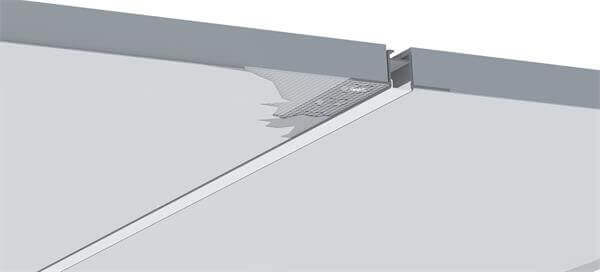
Despite their advantages, LED aluminum profiles can present certain challenges during installation and use. Knowing these potential issues beforehand allows for preventative measures and faster troubleshooting when problems arise.
Thermal Management Challenges
Heat-related issues include:
- Insufficient Heat Dissipation: Profiles that are too small for high-power LED strips
- Poor Ventilation: Recessed installations without adequate airflow
- Thermal Expansion: Buckling or separation in long runs due to temperature changes
- Heat Trapping: Certain diffuser types can trap heat inside the profile
| Common Issue | Potential Causes | Solutions |
| Profile Overheating | High-power strips, limited airflow | Larger profile, ventilation holes, reduced LED density |
| Light Hotspots | Insufficient diffusion, LEDs too close to diffuser | Higher-quality diffuser, increased LED-to-diffuser distance |
| Color Inconsistency | Poor heat management affecting LED color | Better heat dissipation, higher-quality LEDs |
| Profile Separation | Thermal expansion without accommodation | Expansion joints, flexible connectors |
Installation Difficulties
Common installation problems include:
- Cutting Challenges: Improper tools creating burrs or uneven edges
- Alignment Issues: Difficulty maintaining straight lines in long installations
- Corner Transitions: Creating clean transitions at corners or intersections
- Diffuser Fitting: Difficulty inserting or removing diffusers, especially in longer sections
- Wire Management: Routing power and control wiring neatly
The detail most professionals emphasize is proper cutting technique. Using a miter saw with a non-ferrous metal blade produces clean, square cuts that align properly. Hacksaw cuts often create burrs and uneven edges that complicate connections and look unprofessional.
Maintenance and Longevity Issues
Over time, these issues may emerge:
- Diffuser Yellowing: Lower-quality plastic diffusers discolor with UV exposure
- Dust Accumulation: Certain profile designs collect dust more readily
- Surface Finish Wear: Anodizing or coating wearing off in high-traffic areas
- Moisture Ingress: Water entering through joints or end caps in humid environments
- Connection Failures: Mechanical stress on wiring connections
9. What Does the Future Hold for LED Aluminum Profile Technology?
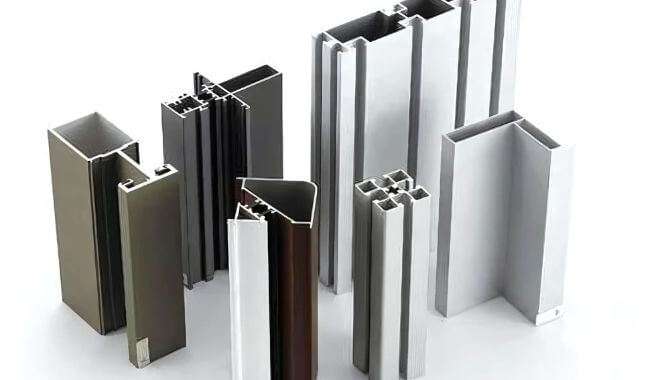
The LED aluminum profile industry continues to evolve with new technologies and design approaches. This ongoing innovation is reshaping how these products integrate with both lighting systems and architectural elements.
Material and Manufacturing Innovations
New developments in materials science and production include:
- Enhanced Thermal Compounds: Aluminum alloys with superior heat dissipation properties
- Composite Materials: Hybrid profiles combining aluminum with other materials for specific properties
- Sustainable Production: Lower carbon footprint manufacturing and recycled material use
- Advanced Surface Treatments: More durable and diverse finishing options
- Additive Manufacturing: 3D printing of custom profile sections for specialized applications
| Emerging Trend | Current Status | Projected Impact |
| Smart Integration | Early adoption phase | Mainstream within 3-5 years |
| Eco-Friendly Materials | Growing industry focus | Standard practice within 2-3 years |
| Modular Systems | Available in premium markets | Widespread adoption within 4-6 years |
| Advanced Optics | Research and development phase | Commercial availability within 3-4 years |
Integration and Connectivity
The future of profiles involves greater integration with:
- Smart Building Systems: Profiles with built-in sensors and control capabilities
- Power Delivery: Integrated wireless power transmission for LED components
- Data Networks: Profiles serving as data conduits in addition to lighting functions
- Modular Systems: Click-together ecosystems for tool-free installation and reconfiguration
- IoT Integration: Profiles housing sensors and communication technology
The most exciting development on the horizon is the convergence of LED profiles with building management systems. Future profiles may incorporate temperature sensors, occupancy detection, and environmental monitoring while still performing their primary lighting function.
Design and Aesthetic Evolution
Visual and functional design trends include:
- Invisible Integration: Completely flush installations with no visible housing
- Dynamic Profiles: Systems that can change shape or orientation electronically
- Multifunctional Designs: Profiles serving simultaneous purposes beyond lighting
- Biophilic Integration: Profiles incorporating natural elements or supporting plant growth
- Acoustic Properties: Designs that offer sound absorption or diffusion
10. How Do Different Industries Benefit from LED Aluminum Profiles?
Various sectors leverage the advantages of LED aluminum profiles in unique ways tailored to their specific requirements. Industry-specific applications demonstrate how versatile these lighting systems truly are when properly implemented.
Retail and Hospitality
These customer-facing industries benefit from:
- Merchandise Highlighting: Profiles designed for optimal product display illumination
- Ambiance Creation: Indirect lighting that establishes mood and atmosphere
- Brand Expression: Custom profile installations that reinforce brand identity
- Dynamic Lighting: Color-changing systems for different times of day or events
- Integrable Systems: Profiles that work with control systems for scene setting
| Industry | Key Profile Requirements | Popular Profile Types |
| Retail | High CRI, directional capability, color accuracy | Shelf, recessed, spotlight |
| Healthcare | Cleanability, gentle light, visual comfort | Sealed recessed, indirect wall-wash |
| Industrial | Durability, high output, vibration resistance | Heavy-duty, high IP-rated |
| Residential | Aesthetics, dimmability, warm color temperatures | Cove, under-cabinet, stair lighting |
Architecture and Design
Architectural applications include:
- Facade Lighting: Profiles designed to withstand weather while highlighting building features
- Interior Features: Lighting that accentuates materials and textures
- Wayfinding: Integrated floor and wall profiles for navigation
- Public Spaces: Durable, vandal-resistant profile systems
- Special Venues: Museum, gallery, and exhibition lighting with precise optical control
What sets exceptional architectural installations apart is their invisibility when off and their transformative impact when on. The best profile installations disappear into the architecture until illuminated, at which point they dramatically enhance the space without calling attention to the fixture itself.
Industrial and Specialized
Technical applications require specialized profiles for:
- Machine Illumination: Profiles that withstand vibration and harsh environments
- Transportation: Lightweight, low-profile systems for vehicles
- Food Processing: Washdown-rated profiles for hygiene requirements
- Hazardous Locations: Explosion-proof rated systems
- Marine Environments: Corrosion-resistant profiles for saltwater exposure
FAQ
Q1: What is the main difference between LED channels and LED aluminum profiles?
The terms are often used interchangeably, but technically speaking, LED channels typically refer to any housing for LED strips, while aluminum profiles specifically indicate housings made from extruded aluminum. All aluminum profiles are LED channels, but not all LED channels are aluminum profiles, as some may be made from plastic, PVC, or other materials. Aluminum profiles provide superior heat dissipation and durability compared to non-metallic alternatives.
Q2: Do LED strips really need aluminum profiles?
While LED strips can function without profiles, using aluminum profiles substantially improves performance and longevity. Profiles provide critical heat dissipation that can extend LED lifespan by 30-50%. They also protect LED components from physical damage, moisture, and dust while improving light quality through diffusion. For professional installations or any application where long-term performance matters, aluminum profiles are highly recommended, especially for higher-power LED strips that generate more heat.
Q3: How do I cut LED aluminum profiles cleanly?
For the cleanest cuts, use a miter saw with a blade designed for non-ferrous metals (60-80 teeth). Mark your cut line clearly and secure the profile to prevent movement. Cut slowly with steady pressure, allowing the blade to do the work. After cutting, use a fine metal file to remove any burrs from the cut edge. For smaller projects without access to a miter saw, a hacksaw with a fine-tooth blade (32 TPI) can work, though it requires more care to keep cuts square and clean.
Q4: Are LED aluminum profiles waterproof?
Standard LED aluminum profiles are not inherently waterproof, but specialized waterproof profiles are available with IP65, IP67, or IP68 ratings. These feature additional gaskets, sealants, and specially designed end caps to prevent moisture ingress. For outdoor or wet environment installations, always verify the specific IP rating needed for your application. Remember that the entire system—including power connections and controller—needs appropriate protection, not just the profile itself.
Q5: How do I connect multiple aluminum profile sections for a continuous installation?
For connecting profile sections, three methods are commonly used: 1) Straight connectors, which are specialized joining pieces that insert into the ends of adjacent profiles, 2) Splicer plates, which attach to the back of profiles to align them, and 3) Custom-cut 45° miter joints for corners, which can be secured with corner brackets. Regardless of method, always leave a small gap (1-2mm) between straight sections to allow for thermal expansion. To maintain electrical continuity, connect LED strips between sections using soldered jumper wires or dedicated strip-to-strip connectors.
Conclusion
LED aluminum profiles represent the professional approach to LED strip lighting installation, offering significant advantages in performance, aesthetics, and longevity. By properly selecting and installing the appropriate profile for your application, you transform basic LED strips into sophisticated lighting fixtures that integrate seamlessly with architecture while delivering superior illumination quality.
From heat management and physical protection to light diffusion and design integration, these seemingly simple components dramatically enhance every aspect of LED lighting systems. As technology advances, LED aluminum profiles continue to evolve with smart features, improved materials, and more sustainable manufacturing processes.
For lighting professionals and business owners alike, understanding the capabilities and proper implementation of LED aluminum profiles provides a competitive edge in delivering lighting solutions that not only look better but also perform more reliably over time.
